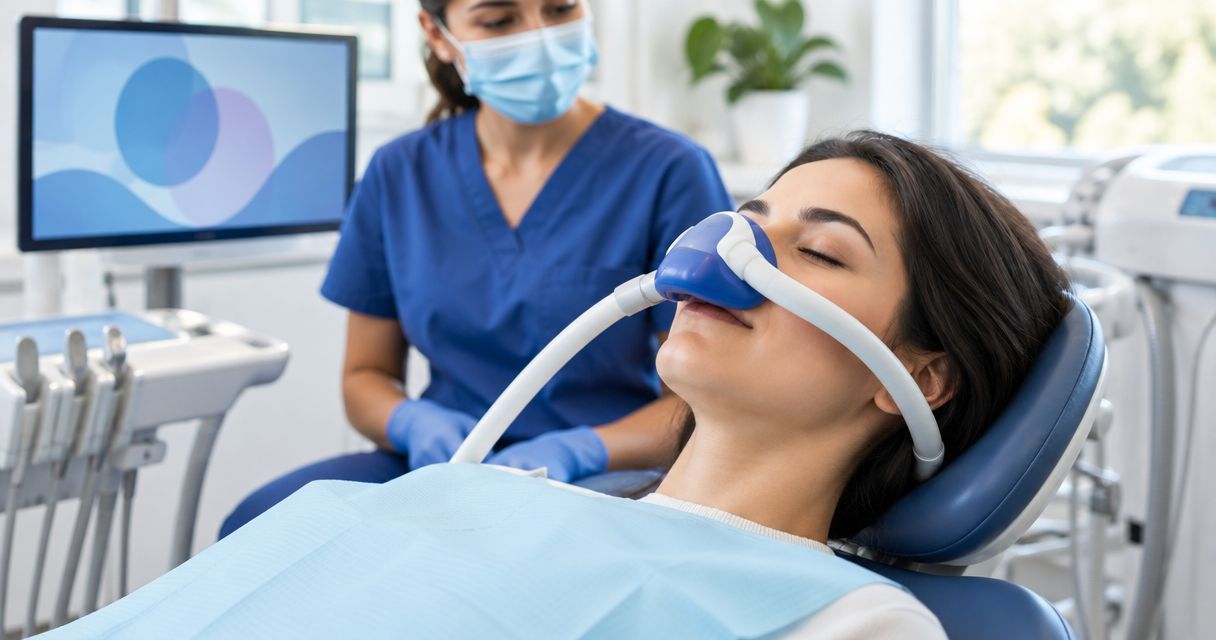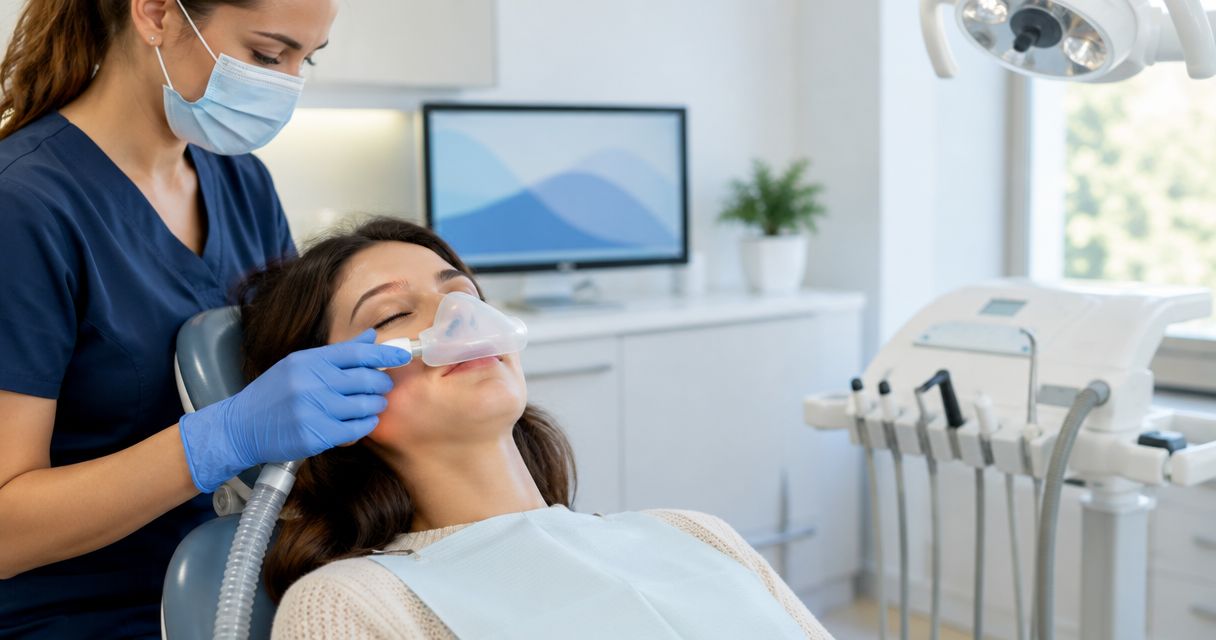
Yes—sedation dentistry can be safe for anxious patients when a qualified team reviews your health, selects an appropriate sedation level, and monitors you throughout treatment. It is not risk-free: deeper sedation can affect breathing, and medicines, sleep apnea, and other health conditions change the precautions you need. For a dental visit in 2026, ask about your individual risks rather than relying on a blanket promise of safety.
- Is sedation dentistry safe? Health screening, appropriate sedation depth, monitoring, and recovery planning are essential safeguards.
- The American Society of Anesthesiologists distinguishes minimal, moderate, and deep sedation from general anesthesia.
- Sedation reduces anxiety; local anesthesia usually provides the pain control needed during dental treatment.
- Tell your dental team about sleep apnea, medicines, alcohol, cannabis, and previous anesthesia reactions.
For patients in Kennebunk, York, and Saco, Maine, Starboard Dental provides general, restorative, and cosmetic dental care. Discuss your anxiety before treatment planning so your concerns become part of the conversation.
Is sedation dentistry safe for anxious patients?
Sedation safety depends on the patient, the depth of sedation, and the team's ability to monitor and respond—not simply on how the medicine is given. A tablet is not automatically safer than an IV, and being awake does not mean you should expect dental pain.
The American Society of Anesthesiologists describes 4 levels along the sedation and anesthesia continuum. These levels describe responsiveness and breathing support, not separate guarantees of safety.
| Level | What you generally experience | Main benefit | Main limitation | Best suited to discussing when |
|---|---|---|---|---|
| Minimal sedation | You respond normally to spoken instructions | Anxiety relief while remaining responsive | It does not provide the same anxiety control for everyone | You want help relaxing without deeper sedation |
| Moderate sedation | You respond purposefully to spoken instructions or light touch | Greater relaxation while retaining purposeful responses | Breathing and responsiveness need careful monitoring | Lighter support is not enough for your needs |
| Deep sedation | You respond purposefully only after repeated or painful stimulation | Less awareness during treatment | Breathing assistance can be necessary | Your needs justify a more involved anesthesia plan |
| General anesthesia | You are not arousable, even with painful stimulation | Unconsciousness during treatment | Airway support is often required | A clinical assessment supports this level of care |
These are discussion categories, not recommendations for you personally. Patients can become more deeply sedated than intended, which is why the team's training and rescue capability matter.
Why this matters
Avoiding dental care because of fear can leave decay, infection, or gum disease untreated. But anxiety does not automatically mean you need medication; explaining each step, agreeing on a stop signal, and taking breaks also belong in a comfort plan.
For your 2026 appointment, separate 2 questions: how will the team help you feel calm, and how will the team prevent pain? Sedation and local anesthesia have different jobs, and you deserve a clear answer about both.
Minimal sedation: responsive and relaxed
Minimal sedation reduces anxiety while you remain able to respond normally to conversation. Nitrous oxide mixed with oxygen is one way dentists provide this level of relaxation, although the actual effect depends on the patient and treatment plan.
Best for discussion: patients who want anxiety relief while remaining engaged with the dental team. The benefit is lighter sedation; the limitation is that it does not remove every patient's fear or replace numbing medicine.
Tell the team if your nose is blocked, you have relevant medical conditions, or you have had trouble with sedation before. Do not assume that a lighter technique eliminates the need for a health review or recovery instructions.
Moderate sedation: more relaxation, more preparation
With moderate sedation, you still respond purposefully to spoken instructions or light touch. Medicines given by mouth or through an IV can produce moderate sedation, but the route alone does not establish the depth.
Best for discussion: patients whose anxiety or treatment needs are not adequately addressed with lighter measures. Greater relaxation is the advantage; impaired coordination, drowsiness, and the possibility of deeper-than-intended sedation are important limitations.
Ask who administers the medicine, who monitors you, and what arrangements you need afterward. Follow the team's instructions about an escort, driving, food, drink, and regular medicines rather than borrowing another patient's preparation plan.
Deep sedation and general anesthesia: distinct levels of care
Deep sedation and general anesthesia are not interchangeable. Under deep sedation, you are difficult to arouse; under general anesthesia, you are unconscious and do not respond even to painful stimulation.
Best for discussion: patients whose medical, behavioral, or treatment needs justify a more involved anesthesia assessment. Reduced awareness is a benefit, but the greater potential for breathing problems requires appropriate expertise, equipment, monitoring, and recovery supervision.
Do not choose these levels simply because they sound like a way to skip an unpleasant appointment. Ask why the proposed depth is necessary and whether a lighter approach would meet your needs.
Why sedation dentistry safety varies
No single risk estimate applies to every anxious patient. These factors shape the assessment and the precautions your team recommends:
- Sedation depth: deeper sedation increases the chance that breathing or airway support will be needed.
- Airway and breathing health: obstructive sleep apnea and other breathing conditions affect planning and monitoring.
- Medicines and substances: opioids, sleep medicines, alcohol, cannabis, and other substances can interact with sedatives.
- Medical history: heart or lung disease, pregnancy, allergies, and previous anesthesia problems require individual review.
- Training and setting: the team needs the skills and equipment appropriate to the intended depth and unexpected deeper sedation.
- Preparation and recovery: following instructions and arranging appropriate supervision are part of safety, not optional extras.
A useful consultation connects these factors to your situation. Ask the clinician to explain what changes because of your history rather than simply confirming that a form has been completed.
How do I prepare for a safer sedation appointment?
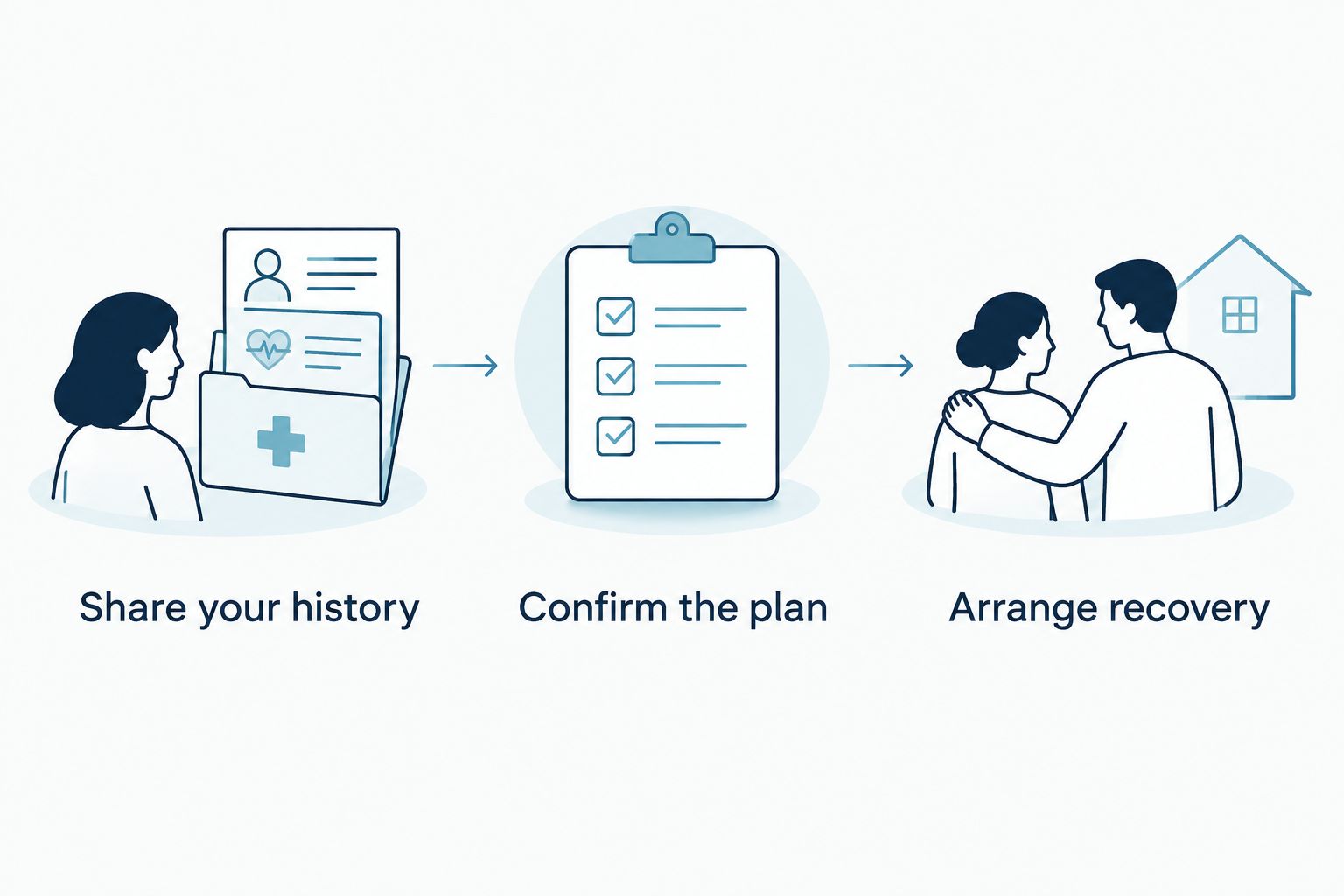
Use these 3 steps when planning dental care in 2026. Your treating clinician's personalized instructions take priority over a general checklist.
Share your history
Bring a current list of prescription medicines, nonprescription medicines, vitamins, and supplements. Include medicines you take occasionally, especially sleep aids, anxiety medicines, and pain medicines.
Tell the team about snoring, diagnosed sleep apnea, pregnancy or possible pregnancy, allergies, and previous difficulties with anesthesia. Describe alcohol and cannabis use honestly; the purpose is to plan care safely, not to judge you.
Do not take extra anxiety medicine before the appointment unless the treating clinician specifically directs you to do so. Do not stop prescribed medication on your own, either.
Confirm the plan
Ask what level of sedation is intended and what you should expect to remember or feel. Clarify how the team will monitor breathing, oxygen levels, circulation, and responsiveness as appropriate for that level.
Get written instructions about eating, drinking, and medication use. There is no single fasting schedule that fits every sedation approach and patient, so follow the instructions for your appointment rather than an internet timetable.
Arrange recovery
Confirm whether you need a responsible adult to accompany you and remain with you afterward. Arrange transportation before treatment when instructed, and do not assume that feeling awake means you are cleared to drive.
Ask about work, childcare, exercise, and important decisions after sedation. You should leave with clear discharge instructions and a way to seek help if recovery does not go as expected.
What should I ask the dental team before agreeing?
A reassuring conversation includes specific answers, not just reassurance. Bring these questions to your consultation:
- What sedation level are you recommending, and why?
- Who will administer it, and what training do they have for this level?
- Who will monitor me while dental treatment takes place?
- How will you respond if I become more deeply sedated than planned?
- Does my health history change the setting or specialist support I need?
- What are my alternatives if I decide against sedation?
You should also understand the proposed dental treatment itself. Sedation consent does not replace a discussion of the procedure, its benefits, its risks, and the alternatives.
Choose a plan you understand before agreeing to a plan that makes you sleepy. If an answer is unclear, ask the clinician to explain it in everyday language.
Will I still feel pain during sedation dentistry?
Sedation primarily addresses anxiety and awareness; local anesthesia usually blocks pain in the treatment area. You can be relaxed and still need numbing medicine.
Pressure, movement, and vibration are different from sharp pain. Before treatment starts, agree on how you will signal discomfort if you remain responsive, and ask how the team will assess comfort if you cannot communicate normally.
Can I have sedation if I have sleep apnea?
Sleep apnea does not automatically rule out sedation, but it changes the assessment because sedatives can worsen airway obstruction. Tell the team about your diagnosis, treatment, and any prescribed breathing device before the appointment.
Ask whether the planned setting and monitoring suit your needs. Your dentist or anesthesia clinician should decide whether additional evaluation or a different approach is appropriate.
Can I manage dental anxiety without sedation?
Yes—some patients manage dental anxiety with clear explanations, a stop signal, breaks, and a gradual approach to treatment. These strategies avoid medication-related sedation risks, although they do not meet everyone's needs.
Describe the specific trigger: needles, sounds, gagging, pain, or feeling unable to stop. A precise concern gives the team something practical to address rather than treating all anxiety as the same problem.
Planning a comfortable dental visit in coastal Maine
Starboard Dental is a fit for patients in Kennebunk, York, and Saco seeking general, restorative, and cosmetic dental care. Dr. Alex Kerbaugh leads the practice, which serves patients of all ages.
For a 2026 visit, tell Starboard Dental about your anxiety when you discuss your care. Ask which comfort approaches are appropriate, whether the proposed treatment requires sedation, and whether an anesthesia consultation or referral is needed.
An anxious patient should not have to choose between staying silent and agreeing to deeper sedation. Start with your concerns, then work toward an informed plan.
FAQ
Is sedation dentistry safe if I am very anxious?
Sedation dentistry can be safe for anxious patients when health screening, sedation depth, monitoring, and recovery arrangements match the patient's needs. Anxiety alone does not determine which level is appropriate.
Will I be asleep during sedation dentistry?
You are not necessarily asleep during sedation dentistry. Minimal and moderate sedation preserve purposeful responses, while general anesthesia makes you unconscious.
Is a sedation pill safer than an IV?
A sedation pill is not automatically safer than an IV. Safety depends on the medicine, dose, your health, the depth reached, and the team's monitoring and response capabilities.
Can I drive myself home after dental sedation?
Do not drive after dental sedation unless the treating clinician explicitly clears you to do so. Follow the transportation and supervision instructions for your specific sedation plan.
What symptoms after sedation need emergency help?
Trouble breathing, blue or gray lips, or difficulty waking someone after sedation require emergency help. Call 911 rather than waiting for a routine dental callback.
Should I stop my regular medicines before sedation?
Do not stop regular medicines on your own before sedation. Give the treating team your complete medication list and follow its individualized instructions.
How do I bring up dental anxiety with Starboard Dental?
Tell Starboard Dental about your anxiety before treatment and explain what worries you most. Ask for a discussion of comfort options, pain control, and whether additional evaluation is appropriate.
One last thing
Feeling awake is not the same as being ready to drive. Sedation can affect judgment and coordination after you feel alert, so follow your clinician's discharge instructions rather than testing your readiness yourself.
Before your 2026 appointment, write down your biggest fear and bring it with you. That small step gives the dental team a concrete starting point for making your care more manageable.