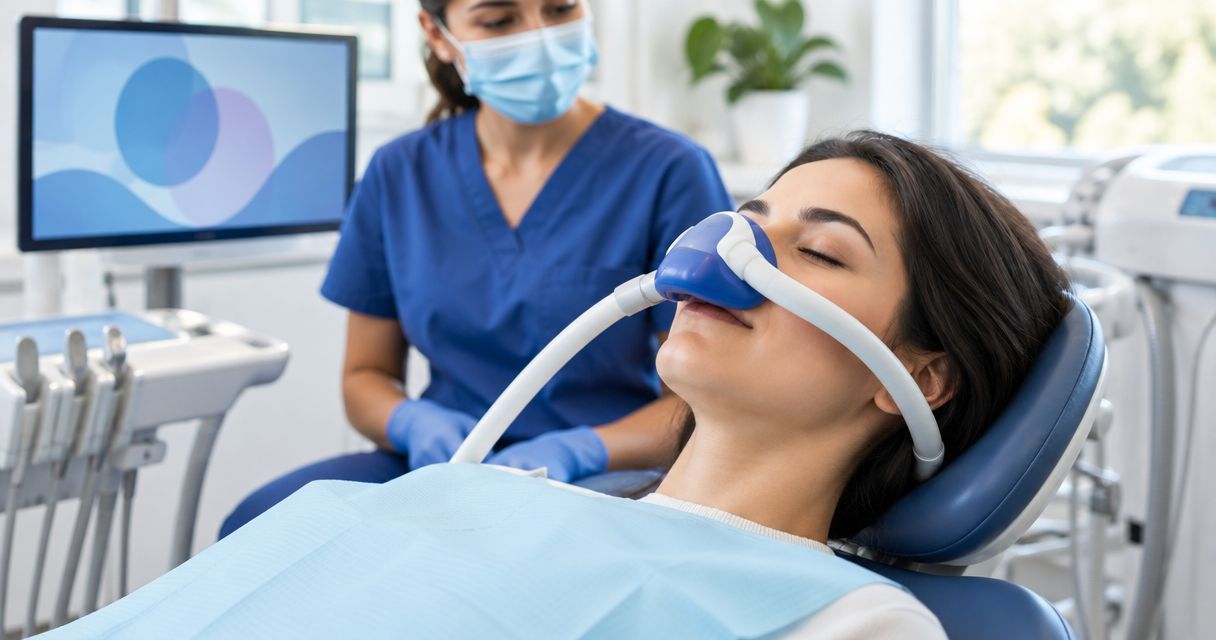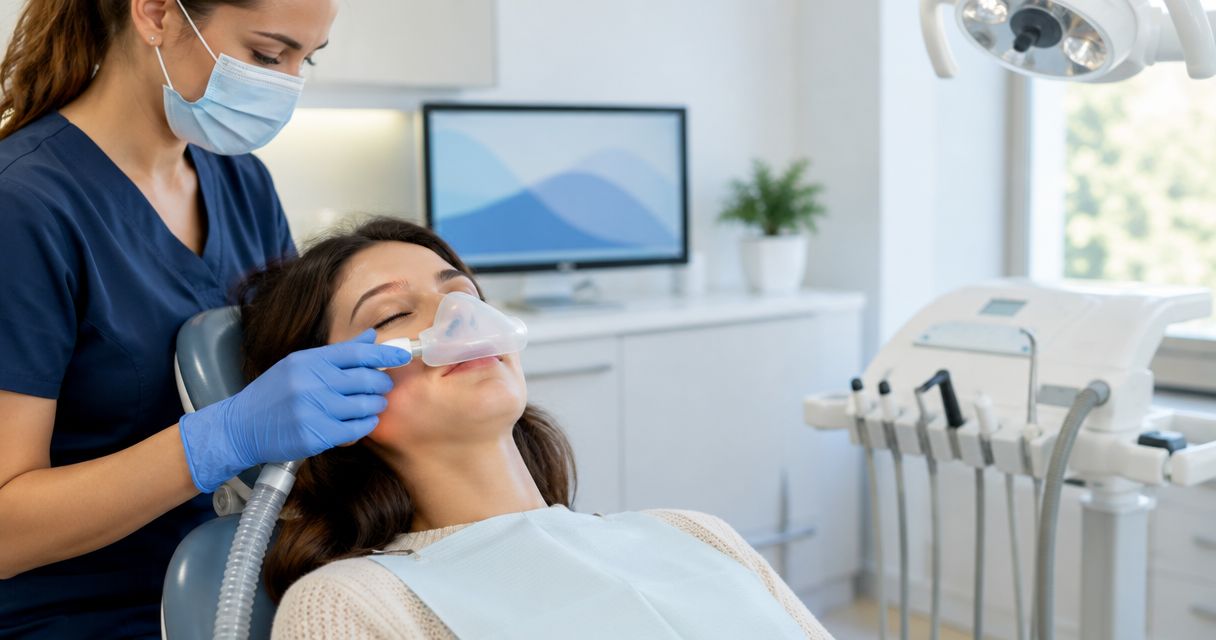
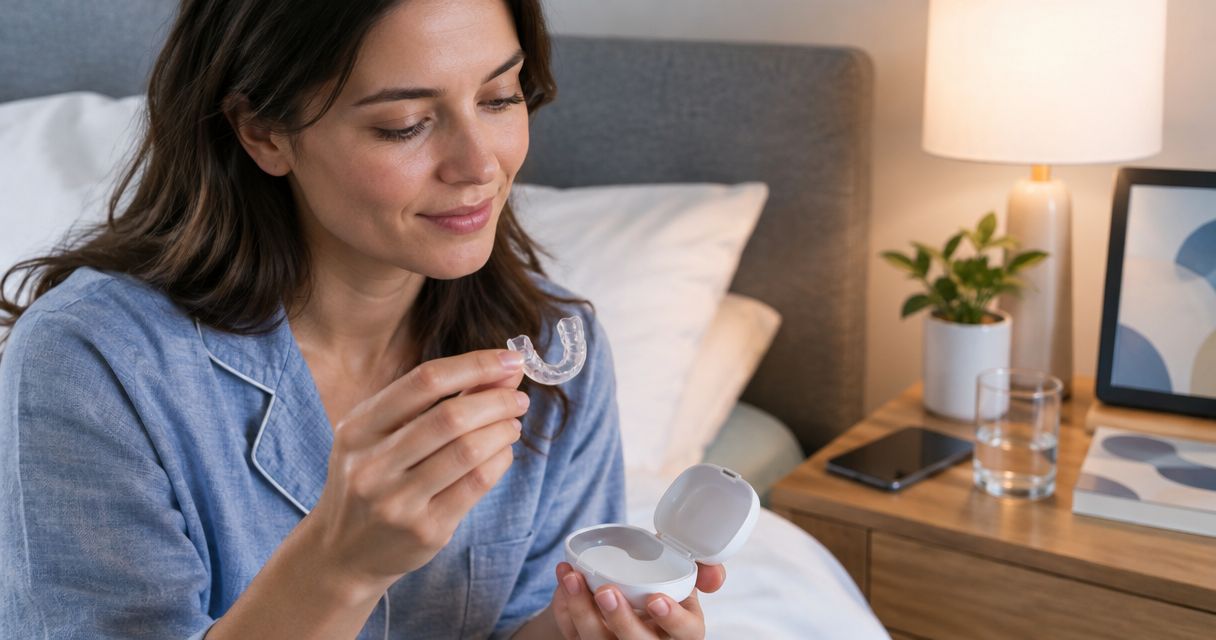
No—a night guard does not reliably stop teeth grinding permanently; its main purpose is to protect your teeth from grinding-related damage. You can still clench or grind while wearing one, so a useful treatment plan also considers jaw symptoms, daytime habits, medications, and possible sleep problems.
- Can a night guard stop teeth grinding? It protects teeth but does not reliably cure sleep bruxism.
- New jaw pain, a changed bite, or a damaged guard calls for a dental review.
- Daytime clenching and sleep-related grinding need different management strategies.
- Starboard Dental provides general, restorative, and cosmetic dental care for patients in Kennebunk, York, and Saco, Maine.
Can a night guard stop teeth grinding permanently?
A night guard is a protective tool, not a guaranteed cure for teeth grinding. It creates a barrier between your upper and lower teeth. That barrier helps limit direct tooth-to-tooth wear, but it does not necessarily stop the muscle activity that causes grinding.
For patients seeking local dental care, Starboard Dental serves people of all ages in Kennebunk, York, and Saco, Maine. Bring questions about grinding to your dental visit rather than choosing a guard based only on its packaging.
The distinction matters when setting expectations in 2026: protecting teeth, easing symptoms, and stopping grinding are separate goals. Improvement in one does not prove improvement in all three.
| Approach | Best for | Main benefit | Important limitation |
|---|---|---|---|
| Dentist-supervised night guard | Protecting teeth when a dental assessment supports its use | Separates the biting surfaces and allows professional fit checks | Does not reliably eliminate grinding |
| Over-the-counter night guard | Discussing an existing self-purchased guard with your dentist | Provides an accessible protective appliance to assess | Fit and bite contact are not individually established by an examination |
| Daytime habit awareness | Addressing awake clenching | Helps you notice and interrupt jaw tension | Does not directly control grinding during sleep |
| Medical or sleep evaluation | Investigating grinding alongside concerning sleep symptoms | Looks for associated conditions requiring separate care | Is an assessment pathway, not a substitute for tooth protection |
The National Institute of Dental and Craniofacial Research describes mouth guards as a way to separate teeth and prevent damage from bruxism, the term for grinding or clenching. That role is different from permanently removing the behavior.
Why this matters
If you expect a guard to cure grinding, continued grinding sounds like failure. It is not necessarily failure: the guard can still protect your teeth even when your jaw muscles remain active.
The opposite mistake is assuming that wearing a guard makes every symptom harmless. Persistent jaw pain, a new toothache, or difficulty opening your mouth deserves attention rather than reassurance from the appliance alone.
For your 2026 care plan, ask your dentist to identify the main goal: protecting tooth surfaces, investigating pain, or addressing factors associated with grinding. A clear goal makes follow-up more useful.
What a dentist-supervised night guard can do
A dentist-supervised guard is fitted and reviewed in the context of your teeth, bite, and symptoms. That gives your dentist an opportunity to check whether it seats properly and whether its contact with the opposing teeth needs attention.
Best for: patients whose examination shows a need for grinding-related tooth protection. The advantage is individual assessment and follow-up, not a promise that a custom appliance permanently stops bruxism.
A guard also has limits. It does not rebuild worn enamel, repair a cracked tooth, or establish why your jaw hurts. Some people find an appliance uncomfortable, and a guard that worsens symptoms needs review rather than continued use without advice.
Ask your dentist to explain the reason for the recommended design. If you are comparing appliances in 2026, the guide to night guards for teeth grinding provides a starting point for that conversation; your examination should determine the choice.
What an over-the-counter night guard can do
An over-the-counter guard is not automatically a suitable fit for your mouth. Even when it feels secure, a dental examination is needed to assess tooth wear, existing restorations, and symptoms that an appliance alone cannot explain.
Best for: bringing to a dental visit if you already use one and want its fit assessed. The useful next move is to show your dentist the actual appliance, not simply report that you wear a guard.
The limitation is the lack of an individual diagnosis and professional fitting when you select it yourself. Stop using a guard and seek advice if it causes new pain, feels unstable, or leaves your bite feeling different after removal. Do not keep trimming or reshaping it to chase comfort without guidance.
Why results with a night guard vary
Two people can wear similar-looking guards and have different experiences. Protection depends on the appliance and how you use it; symptom relief also depends on what is causing the symptoms.
- Awake versus asleep: You can practice noticing daytime clenching, but you cannot consciously interrupt grinding while asleep.
- Fit and bite contact: An appliance that does not seat properly needs review. Discomfort is not proof that it is working.
- Existing tooth damage: A guard does not repair a chip, crack, worn surface, or loose restoration.
- Associated factors: Stress, certain medications, alcohol, and caffeine can be relevant to a bruxism assessment. Discuss your own pattern without assuming one factor explains everything.
- Sleep symptoms: Loud snoring, witnessed breathing pauses, or marked daytime sleepiness warrant discussion with a healthcare professional.
- Follow-up: Your teeth, dental work, symptoms, and appliance condition can change. A previously comfortable guard still needs reassessment when something changes.
For 2026, avoid treating a particular material or guard design as a universal answer. The right appliance is one your dentist recommends for your findings and reviews against a clear goal.
How do you find out what is driving your grinding?
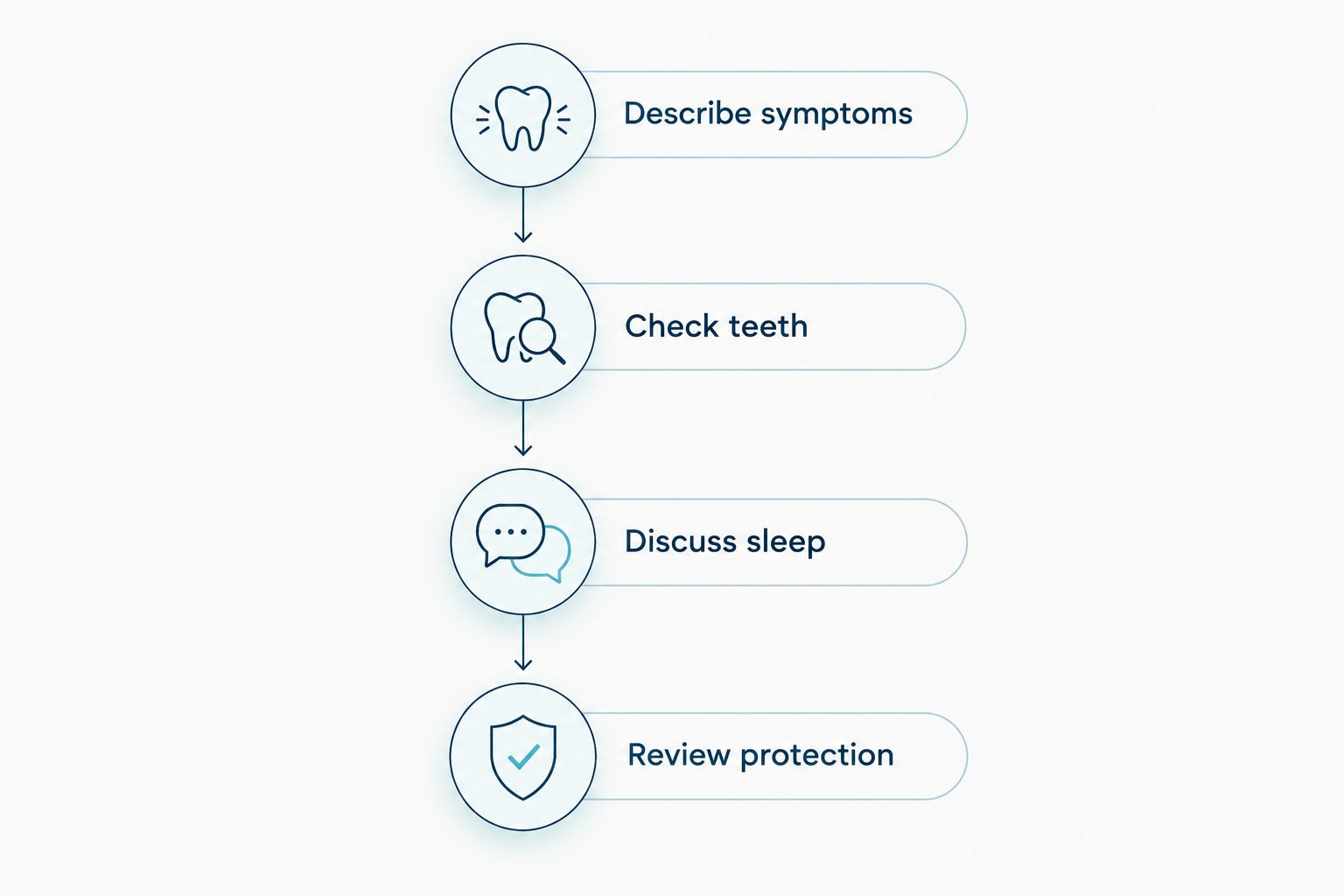
Start with an examination and a description of what you notice. A partner's report, morning jaw fatigue, and an appliance's wear marks provide useful information, but none tells the whole story by itself.
- Describe symptoms. Explain when discomfort occurs, where it hurts, and whether someone hears you grinding. Mention daytime clenching and any headaches without assuming grinding is their cause.
- Check teeth. Your dentist can assess wear, fractures, restorations, and other possible explanations for sensitivity or pain. Tooth wear alone does not establish how much you currently grind.
- Discuss sleep. Report snoring, waking with choking or gasping, and daytime sleepiness. Share your medication list, and do not change prescribed medication without the prescriber's advice.
- Review protection. Ask whether you need an appliance, how it should fit, and what changes should prompt a return visit. Bring an existing guard so your dentist can examine it.
These steps connect protection with assessment. They also help you avoid using a night guard as a substitute for diagnosing tooth pain or a sleep problem.
How can you tell whether your night guard is helping?
Judge the guard against the reason it was prescribed. If the goal is tooth protection, ask your dentist to review your teeth and the appliance rather than relying only on how your jaw feels each morning.
Keep track of changes you can describe: new sensitivity, a damaged edge, worsening discomfort, or a guard that no longer seats as it did. Bring the appliance to follow-up visits. Visible wear can show that it has been under load, but wear marks do not measure the severity of bruxism or prove that treatment is complete.
Your 2026 follow-up should answer a practical question: Is the current plan protecting your teeth without creating new problems? If the answer is unclear, ask what your dentist will monitor and what would change the plan.
What can you do about daytime clenching?
Daytime clenching gives you an opportunity to notice the habit while it happens. Check your jaw during activities such as driving, working, or concentrating, and let your teeth rest apart when you are not eating or swallowing.
Best for: people who notice themselves holding their teeth together while awake. Gentle reminders can help you recognize that pattern; they are not a test of willpower and do not guarantee an end to sleep grinding.
Avoid repeatedly clenching to check whether your jaw still hurts. If your jaw is sore, discuss gum chewing and other habits that keep the chewing muscles active. Persistent symptoms deserve assessment rather than an increasingly complicated home routine.
Does a night guard treat sleep apnea?
A standard grinding guard is not a treatment for obstructive sleep apnea. Appliances prescribed for sleep apnea have a different purpose and require appropriate assessment and follow-up.
Tell your dentist or physician about loud snoring, witnessed pauses in breathing, or significant daytime sleepiness. Do not assume those symptoms are explained by grinding, and do not replace a prescribed sleep-apnea treatment with a grinding guard.
A sleep evaluation investigates breathing during sleep. Tooth protection addresses damage from contact between teeth. Some patients need both issues considered, but one device should not be assumed to solve both.
When should you get help instead of waiting?
Arrange a dental assessment for persistent jaw discomfort, new tooth sensitivity, a chipped tooth, or a guard that changes how your bite feels. Pain can have causes other than grinding, including problems that need treatment beyond an appliance.
Seek urgent care for facial swelling with fever, trouble swallowing or breathing, or a significant dental injury. If your jaw locks or you cannot open or close it normally, seek prompt professional advice.
Starboard Dental is best suited to patients seeking general, restorative, and cosmetic dental care in Kennebunk, York, and Saco, Maine. Discuss your symptoms and goals with Dr. Alex Kerbaugh rather than treating a guard purchase as the end of the decision.
Discuss your grinding concerns
Talk about tooth wear, jaw discomfort, and questions about protecting your teeth.
FAQ
Can a night guard stop teeth grinding permanently?
A night guard does not reliably stop teeth grinding permanently. Its main role is to protect teeth, while a dental assessment considers symptoms and factors associated with grinding.
Why am I still grinding my teeth with a night guard?
You can still grind because a night guard separates your teeth without necessarily stopping the muscle activity. Continued grinding does not automatically mean the appliance provides no protection, but ongoing symptoms need review.
Should I stop wearing my night guard if my jaw hurts?
New or worsening jaw pain while wearing a guard calls for a dental review. Stop using an appliance that causes new pain or a changed bite until you receive professional guidance.
How long does a night guard take to stop grinding?
There is no guaranteed timeline because a night guard is not a reliable cure for grinding. Ask your dentist what improvement to monitor and when to review your appliance and symptoms.
Does a worn night guard mean my grinding is getting worse?
Wear on a night guard does not by itself prove that grinding is getting worse. Your dentist needs to assess the appliance alongside tooth changes, fit, and symptoms.
Can I use a grinding guard for snoring or sleep apnea?
A standard grinding guard is not a treatment for obstructive sleep apnea. Discuss snoring, witnessed breathing pauses, or daytime sleepiness with a healthcare professional rather than selecting a grinding guard for those symptoms.
Can I discuss teeth grinding with Starboard Dental?
You can bring questions about grinding, tooth wear, and jaw symptoms to a dental visit at Starboard Dental. The practice provides general, restorative, and cosmetic care for patients of all ages in Kennebunk, York, and Saco, Maine.
One last thing
A quieter night does not prove that clenching has stopped. Clenching can occur without the scraping sound people associate with grinding, so a partner's report is useful information—not a complete measure of the problem.
Make your next 2026 dental conversation specific: bring your guard, describe what has changed, and ask what the treatment is intended to protect. You do not need to solve the cause yourself before asking for help.