Dental implant recovery time includes days to weeks of early recovery and several months of bone healing before an implant is ready for its final tooth, depending on your treatment plan. Feeling comfortable again does not mean the implant has finished healing. For treatment planned in 2026, ask your dentist for separate timelines for returning to normal activities, healing after any bone graft, and completing your replacement tooth.
- Dental implant recovery time includes early gum healing and a longer period of bone healing.
- Feeling better does not mean your implant is ready for normal chewing pressure.
- Bone grafting, smoking, health conditions, and surgical complexity affect the recovery plan.
- Starboard Dental provides general and restorative dental care for families in coastal Maine.
How long does it take to recover from a dental implant?
Early recovery takes days to weeks; the bone-healing stage takes several months. These describe different milestones, not competing estimates. When discussing restorative dental care with Starboard Dental, separate the time you need to recover from surgery from the time needed to complete treatment.
| Recovery stage | General timeframe | What it means for you |
|---|---|---|
| Early surgical recovery | Days | You manage soreness, swelling, and activity restrictions. |
| Gum healing | Weeks | The incision heals, but the implant still needs protection. |
| Bone healing | Several months | Bone forms a stable connection with the implant. |
| Final restoration | After your clinician confirms readiness | Your team completes the replacement tooth according to your treatment plan. |
These are general stages, not personal clearance dates. An extraction, bone graft, or additional procedure can change the sequence. Your dentist checks healing before deciding when the implant can take chewing pressure.
Why this matters
The biggest scheduling mistake is treating recovery and completed treatment as the same event. You might feel ready for desk work while your implant still needs protection from chewing forces. You also might have a temporary tooth before your final restoration is ready.
For your 2026 calendar, keep your initial recovery period separate from later dental appointments. Ask about work, exercise, travel, and meals individually rather than asking only when you will be back to normal.
Starboard Dental is a fit for families in Kennebunk, York, and Saco seeking general and restorative dental care. For implant treatment specifically, confirm who will perform surgery, who will restore the tooth, and who will answer recovery questions.
Early recovery: days to weeks
After implant surgery, tenderness, swelling, minor bleeding, and bruising can occur around the treatment area. Your clinician should explain what to expect from your procedure and how to manage discomfort. Follow those instructions rather than copying another person's recovery routine.
The direction of change matters. Symptoms should settle as healing progresses; pain or swelling that worsens after initially improving deserves a call to your dental team. Do not use an online timeline to dismiss a symptom that concerns you.
Protect the surgical area
Choose soft foods that do not require forceful chewing, and avoid placing pressure directly on the surgical site. Let hot food and drinks cool, especially while your mouth remains numb. Numbness makes it easier to bite your cheek or burn tissue without noticing.
Keep your mouth clean using the method your clinician recommends. Ask specifically where to brush, whether to use a prescribed rinse, and when to resume cleaning around the implant. Do not scrub the incision or repeatedly pull your lip aside to inspect it.
Return to activity gradually
Your return to work depends on the procedure, your symptoms, the demands of your job, and whether you received sedation. Desk work and heavy lifting place different demands on recovery. Request written restrictions if your work involves physical effort.
If you received sedation, follow the discharge instructions about transportation, supervision, driving, and important decisions. Feeling awake does not override those instructions. Arrange help before surgery rather than trying to organize it afterward.
Bone healing: several months
The longer stage is the connection between the implant and your jawbone, called osseointegration. This process happens beneath the gum, so appearance alone cannot tell you whether it is complete. A healed-looking incision is not proof that the implant can support normal biting forces.
Your clinician evaluates stability and healing before advancing treatment. Follow-up visits help determine whether to continue protecting the implant or move toward the final restoration. Keep those visits even when you have no discomfort.
The implant's design and placement plan also matter. A guide to dental implant types compared can help you prepare questions, but the implant type alone does not determine your recovery date.
A temporary tooth does not mean healing is finished
Some treatment plans include a temporary restoration during healing. Its role and chewing restrictions depend on how it is supported and the stability of the implant. Ask whether your temporary tooth is for appearance, limited function, or both.
Do not test the implant by biting hard foods or pushing it with your tongue or fingers. Report movement in a temporary tooth or other component instead. Your dental team needs to determine what is moving and whether it requires attention.
Why dental implant recovery time varies
There is no single recovery calendar that fits every implant procedure. These factors explain why your dentist's instructions can differ from someone else's:
- Bone grafting: A graft introduces another healing step. The timing depends on the graft and whether it is performed before or alongside implant placement.
- Extraction timing: Removing a tooth and placing an implant can happen at different stages. The condition of the extraction site affects planning.
- Surgical extent: Multiple treatment sites or additional procedures create different recovery needs from a straightforward implant placement.
- Smoking and nicotine: Tobacco use interferes with healing and increases implant complications. Tell your clinician about smoking, vaping, and other nicotine use.
- Health conditions and medicines: Diabetes management, immune-related conditions, and certain medicines can affect surgical planning and healing. Share your full medical history.
- Pressure and home care: Chewing on the site, an ill-fitting temporary appliance, or inadequate cleaning can interfere with recovery. Follow the site-specific instructions you receive.
Age alone does not provide a recovery forecast. Your oral health, medical history, bone condition, and planned procedure give your clinician more useful information. Do not stop prescribed medicines or change a medical treatment without professional guidance.
How should you plan your recovery in 2026?
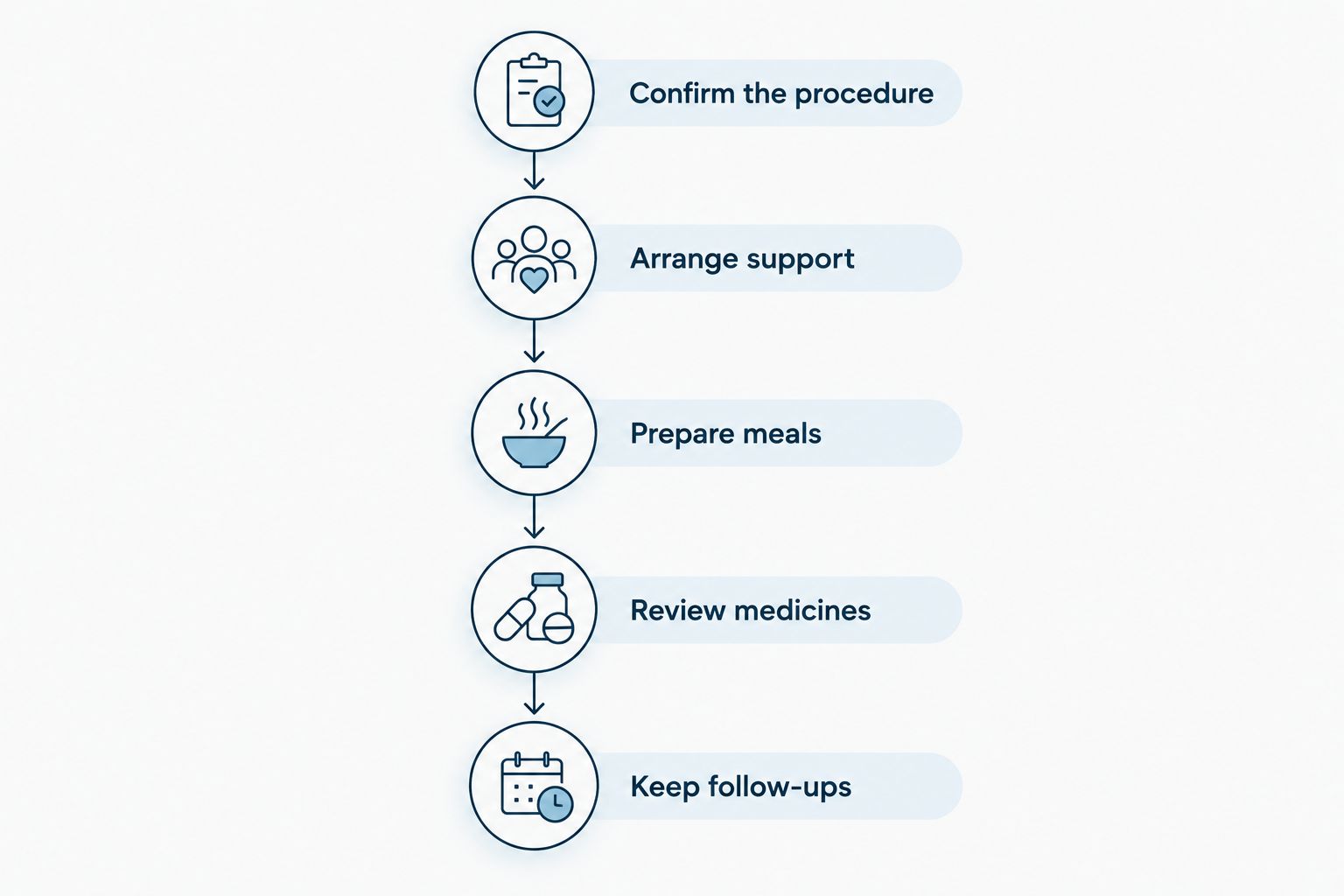
Start with the actual procedure rather than an average from an online search. Ask your treating clinician to describe what will happen at surgery and which later appointments depend on healing. That conversation gives you a practical plan without promising a fixed completion date.
- Confirm the procedure. Ask whether treatment includes an extraction, graft, implant placement, or a combination. Clarify whether these happen together or at separate appointments.
- Arrange support. Discuss transport and supervision if sedation is planned. Tell your team if you live alone or have caregiving responsibilities.
- Prepare meals. Have suitable soft foods ready and understand where you can chew. Ask how to maintain adequate nutrition while protecting the surgical area.
- Review medicines. Confirm which medicines to take, how to use any prescribed pain relief, and whom to contact about side effects. Do not add leftover antibiotics or someone else's medication.
- Keep follow-ups. Record your review appointments and the best way to contact the surgical team. Ask who handles urgent concerns outside normal office hours.
Bring your work schedule and travel plans to the planning visit. A deadline matters to your care team, but it does not determine when bone healing is complete. Leave room for changes if your clinician needs to reassess the site.
When should you call your dentist during recovery?
Call your treating dental team about worsening pain, increasing swelling, persistent bleeding, pus, fever, a bad taste with other symptoms, or movement around the implant. Persistent or unexpected numbness also needs assessment. Do not wait for a routine review if something is getting worse.
Seek emergency medical care for difficulty breathing or swallowing, rapidly spreading swelling, or severe bleeding that does not stop with the pressure instructions you were given. These symptoms need prompt attention rather than an online answer.
When you call, explain what changed, when it started, and whether symptoms are improving or worsening. Mention any medicine you have taken and whether you can eat and drink. Clear details help the team decide what assessment you need.
When can I eat normally after a dental implant?
Several months of bone healing can continue after your mouth feels comfortable enough for more foods. Your clinician should tell you when to advance your diet and when the implant can take direct chewing pressure. Comfort alone is not permission to bite on the site.
Begin with the foods your discharge instructions allow, then progress as directed. Hard, crunchy, sticky, or chewy foods can place unwanted force on the healing area or temporary restoration. Ask about specific foods if the restrictions are unclear.
When can I go back to work after implant surgery?
Days to weeks describes early recovery, not a required absence from work. Your return depends on your procedure, symptoms, sedation instructions, and job duties. A physically demanding job needs a different discussion from computer-based work.
Ask for activity guidance before booking leave in 2026. If you need to lift, bend repeatedly, drive professionally, or operate equipment, make those duties explicit. Your clinician can then give advice that matches your work rather than an assumed office routine.
Does a bone graft make implant recovery longer?
Several months of implant healing can be accompanied by a separate graft-healing stage. A bone graft can change the total treatment timeline, particularly when the site must heal before implant placement. Your clinician decides the sequence based on the condition of the bone and the planned procedure.
Ask which milestone the estimated date describes: graft readiness, implant stability, or final tooth placement. Those are different decisions. A longer treatment sequence does not automatically mean you will be uncomfortable throughout it.
FAQ
What is the usual dental implant recovery time?
Dental implant recovery time includes days to weeks of early recovery and several months of bone healing. Your procedure, health, and any grafting determine your individual schedule.
How do I know if my dental implant is healing properly?
Your dental team assesses healing through follow-up examinations and any imaging they consider necessary. Improving comfort is encouraging, but it does not confirm that the implant is ready for normal chewing.
Is it normal to have swelling after dental implant surgery?
Swelling can occur after dental implant surgery. Contact your treating team if it keeps worsening, returns after improving, or accompanies fever, drainage, or increasing pain.
Can I brush my teeth after getting a dental implant?
Keep your mouth clean, but follow your clinician's instructions for brushing near the surgical site. Ask when to resume direct cleaning around the implant and whether a prescribed rinse is needed.
Can I exercise while my dental implant heals?
Return to exercise according to your clinician's activity instructions, not simply when discomfort fades. Strenuous activity and contact sports require specific guidance after surgery.
Does smoking affect dental implant recovery?
Smoking interferes with healing and increases the risk of implant complications. Tell your clinician about all tobacco and nicotine use so you can discuss support and a suitable plan.
Will I be without a tooth while my implant heals?
A temporary replacement is part of some treatment plans, but it is not suitable in every situation. Ask what you will wear during healing and whether it has eating restrictions.
What should I ask before scheduling a dental implant in 2026?
Ask about early recovery, bone healing, any grafting, temporary teeth, and the expected sequence of appointments. Confirm who provides surgery, who completes the restoration, and whom to contact with recovery concerns.
One last thing
The most useful recovery question is not just when you will feel better, but when the implant can safely take pressure. Gum comfort and bone stability do not follow the same clock. Keep following your chewing restrictions until your treating clinician changes them.
For your 2026 treatment discussion, bring a short list of the activities you want to resume and ask for guidance on each. Starboard Dental serves patients of all ages in Kennebunk, York, and Saco, Maine; confirm the appropriate next step for your restorative care needs rather than assuming every missing tooth requires the same approach.