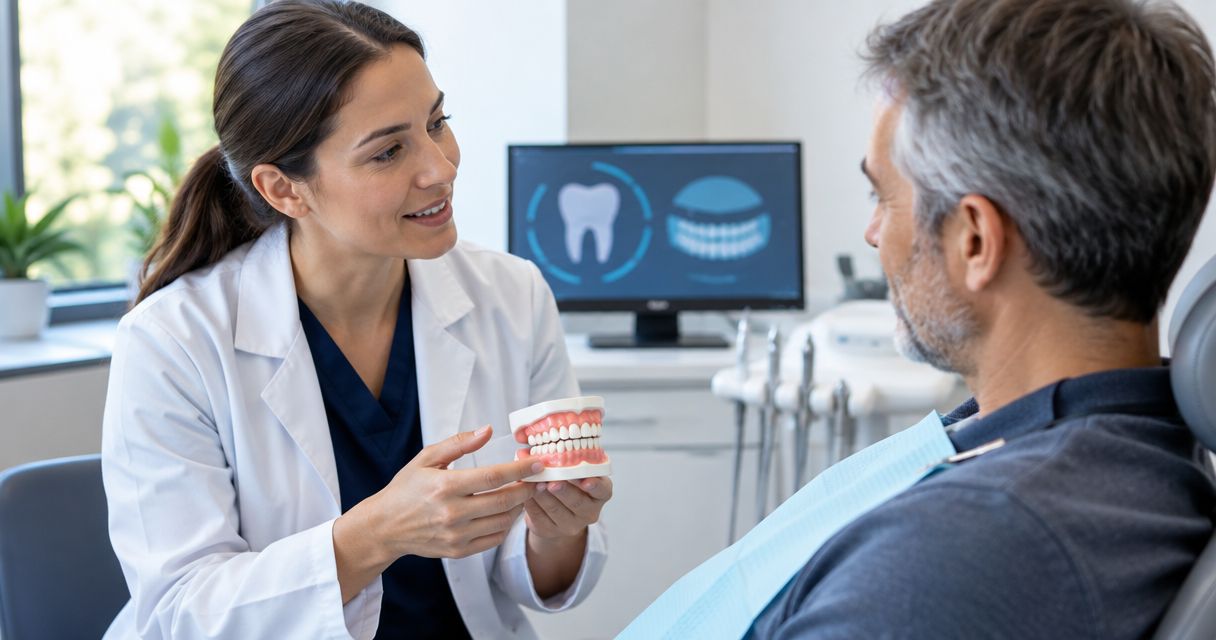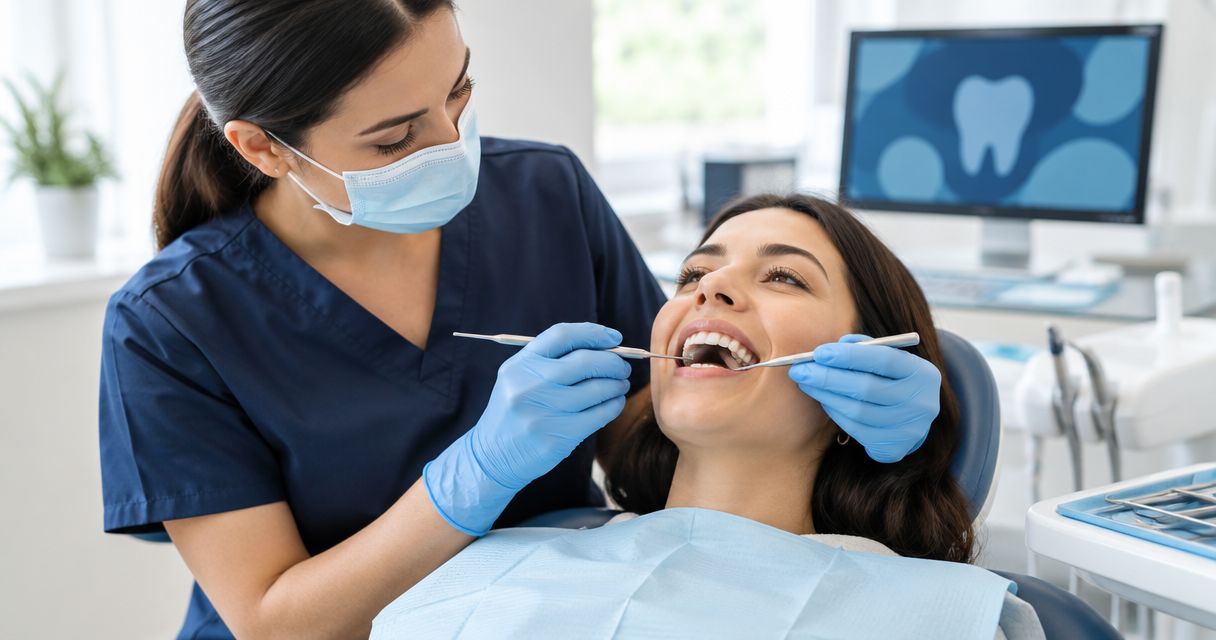

Full mouth reconstruction should not cause sharp pain during treatment when the area is adequately numbed, but soreness, tenderness, and sensitivity can follow individual procedures. Your experience in 2026 depends on which treatments you need, whether surgery is involved, and how your dentist plans anesthesia, recovery, and follow-up care.
- Is full mouth reconstruction painful? Adequate local anesthesia prevents sharp treatment pain; recovery discomfort depends on the procedures involved.
- Local anesthesia controls pain; sedation addresses anxiety and does not replace numbing.
- Increasing pain, fever, or worsening swelling needs prompt dental advice.
- Starboard Dental provides general, restorative, and cosmetic dental care for patients in coastal Maine.
Why this matters
Fear of pain can make it hard to take the next step, especially if you have sensitive teeth or a difficult dental experience behind you. Separating discomfort during an appointment from soreness afterward makes the conversation more useful. You need a plan for both.
Starboard Dental is a fit for Maine patients seeking general, restorative, and cosmetic dental care. Led by Dr. Alex Kerbaugh, Starboard Dental serves patients of all ages in Kennebunk, York, and Saco. When discussing treatment in 2026, start with what worries you most: injections, feeling treatment, recovery, or being unable to signal for a break.
Is a full mouth reconstruction painful?
Sharp pain during treatment is a reason to stop and reassess numbing—not something you should push through. You can still notice pressure, vibration, movement, or the sensation of holding your mouth open. Tell your dentist if those sensations become painful.
Full mouth reconstruction combines treatments according to the condition of your teeth, gums, and bite. It is not one procedure with one predictable recovery. The following comparison explains common differences; it does not mean you need every treatment listed.
| Treatment | Best for | Comfort considerations | Limitations and recovery concerns |
|---|---|---|---|
| Fillings or crowns | Restoring teeth that can be preserved | Local anesthesia controls treatment pain when needed | Temporary sensitivity or gum tenderness can occur; a bite that feels too high needs checking |
| Root canal treatment | Treating inflamed or infected tissue inside a tooth that can be saved | The dentist numbs the tooth before treatment | Tenderness afterward can occur; the tooth generally needs a final restoration |
| Tooth extraction | Removing a tooth that cannot be predictably restored | Pressure is possible even when the area is numb | The extraction site needs protection while healing; bleeding and soreness require aftercare |
| Dental implant treatment | Replacing missing teeth when the mouth and health history support surgery | Surgical treatment uses appropriate anesthesia | Surgery adds healing needs; bone grafting, when necessary, adds another treatment consideration |
| Gum treatment | Addressing gum disease before or alongside restorative care | Numbing needs depend on the procedure | Tender gums, sensitivity, and home-care adjustments can follow treatment |
The important comparison is not which procedure sounds least intimidating. It is which treatment addresses the actual problem while preserving healthy tissue where possible. For a broader explanation, read the guide to full mouth reconstruction options.
What will I feel during the appointment?
Local anesthesia: pain control at the treatment site
Local anesthesia blocks pain signals from the area being treated. The injection can cause a brief pinch or stinging sensation, and your dentist should check that the area is numb before proceeding. Tell the team about previous difficulty getting numb so they can account for that history.
Numbness does not remove every sensation. Feeling pressure during an extraction, for example, is different from feeling sharp pain. Agree on a stop signal before treatment begins, such as raising your hand, so you do not have to speak with instruments in your mouth.
Sedation: anxiety management, not a substitute for numbing
Sedation can help manage dental anxiety when it is appropriate for your health and the planned procedure. Local anesthesia is still generally needed for painful dental work. The appropriate approach depends on your medical history, medications, and the level of sedation being considered.
Sedation also has limitations and risks. Some methods require fasting, an escort, and restrictions on driving or other activities afterward. Ask which options are available for your situation rather than assuming that every practice provides every method.
Breaks and positioning: comfort beyond the tooth
Jaw fatigue, neck discomfort, and a strong gag reflex can make an appointment difficult even when the tooth is numb. Discuss these concerns before starting. Appointment length, positioning, and planned pauses belong in the comfort conversation alongside anesthesia.
What does recovery discomfort feel like?
Recovery should be discussed procedure by procedure. A tooth prepared for a crown has different healing needs from an extraction site, and tenderness after gum treatment is not the same as pain from an untreated infection. Ask what you should expect after each stage rather than requesting one recovery estimate for the entire reconstruction.
After fillings, crowns, or root canal treatment
Temporary temperature sensitivity, gum tenderness, or soreness when biting can follow restorative treatment. Persistent pain, a tooth that seems to touch first when you close, or symptoms that intensify need a dental assessment. Do not assume that every painful bite simply needs more time.
A temporary restoration also needs care. Follow your dentist's instructions about chewing and cleaning, and report a restoration that loosens or breaks. Protecting the tooth between visits is part of completing treatment safely.
After extractions, implants, or gum surgery
Surgical treatment can cause soreness, swelling, and some bleeding afterward. The amount and course depend on the procedure and your individual healing. Follow the written instructions for the actual surgery you receive, including restrictions on rinsing, chewing, smoking, and physical activity.
Pain medicine should follow your dentist's instructions and your medical history. Nonprescription medicines are not suitable for everyone, and combination products can contain overlapping ingredients. Ask before combining medicines, changing a dose, or stopping a prescribed medication.
Why full mouth reconstruction discomfort varies
There is no single pain score that accurately predicts everyone's experience. These factors help explain why your treatment plan and recovery instructions need to be individual:
- Treatment type: Restoring a tooth and placing an implant involve different tissues and healing needs.
- Existing inflammation: An inflamed or infected tooth can complicate pain control and needs an appropriate treatment approach.
- Treatment extent: The number of areas treated affects where you can chew and how much tissue needs to recover.
- Jaw comfort: A history of jaw pain or difficulty opening can affect how well you tolerate longer appointments.
- Medical history: Health conditions, medications, and tobacco use can affect treatment decisions and healing.
- Anxiety and past experiences: Fear can make treatment harder to tolerate; discussing it helps your dentist plan communication and support.
These factors are reasons to personalize care, not reasons to expect the worst. For your 2026 treatment plan, ask the dentist to connect each proposed procedure with its specific comfort measures and recovery needs.
How can I make treatment more comfortable?
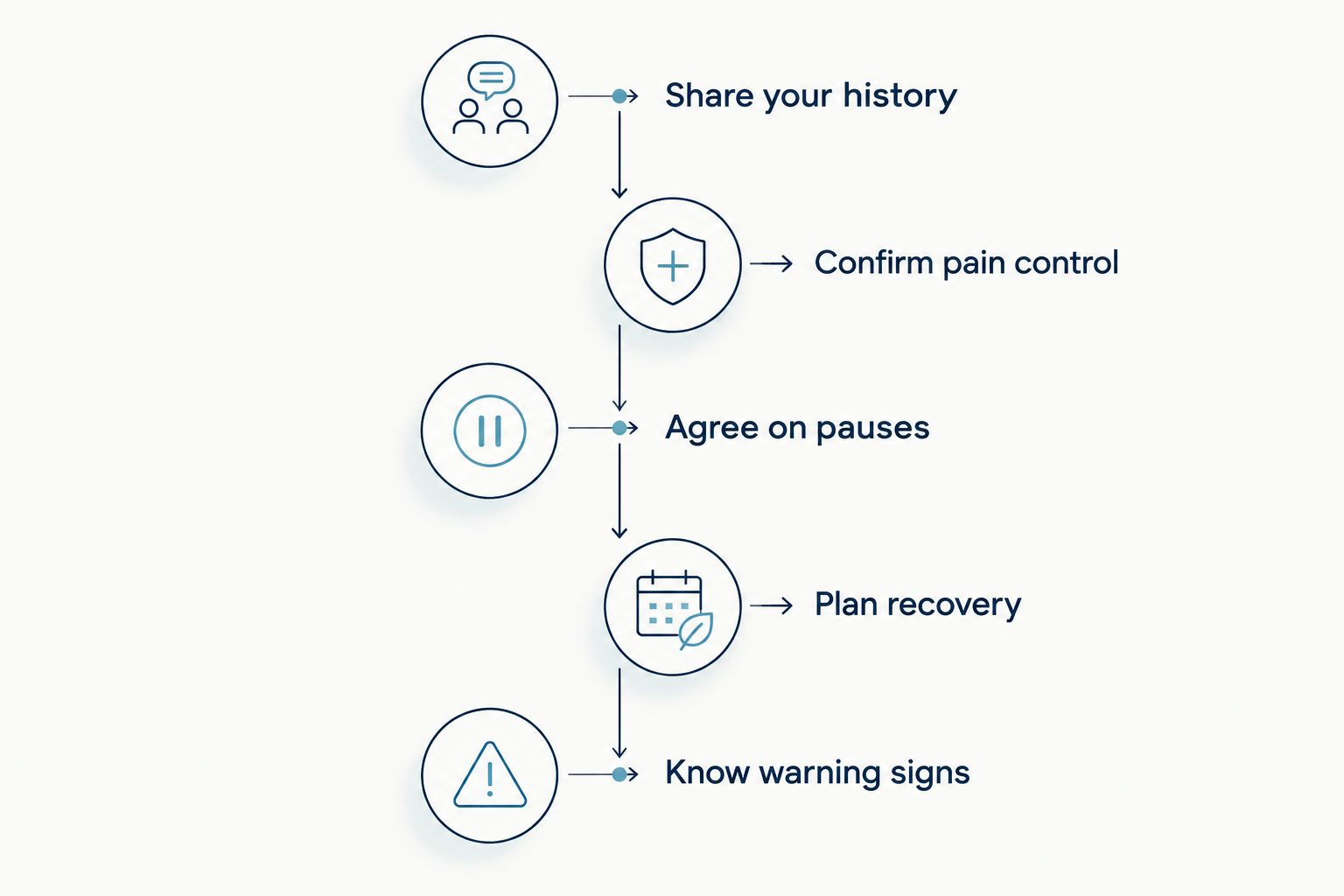
A useful comfort plan covers preparation, communication during treatment, and care afterward. You should understand the plan before the first procedure begins—not discover the important details while leaving with a numb mouth.
- Share your history. Describe previous trouble with numbing, dental anxiety, jaw pain, allergies, medications, and relevant health conditions. Include supplements and nonprescription medicines.
- Confirm pain control. Ask how the dentist will numb the area, check comfort, and respond if you feel pain. Discuss sedation separately if anxiety is a concern.
- Agree on pauses. Establish a stop signal and discuss breaks or positioning needs before treatment starts. Ask how you can communicate while instruments are in your mouth.
- Plan recovery. Get written instructions covering food, cleaning, medication, activity, and follow-up. Confirm whether you need someone to accompany you.
- Know warning signs. Ask whom to contact for worsening symptoms, including outside normal office hours. Keep those instructions where you can find them easily.
Keep your questions practical. Instead of asking only whether treatment will hurt, ask what you should feel, what you should not feel, and what the team will do if you become uncomfortable. That gives you a shared plan rather than a general reassurance.
Is it better to finish everything at once or spread treatment out?
Choose the sequence for clinical needs and manageable recovery, not simply the fewest appointments. Staging treatment can give tissues time to heal and allow your dentist to assess your bite or response before proceeding. It also means more visits and a longer period with temporary restorations when those are needed.
Combining procedures can reduce separate appointments, but it can also create a longer session and more areas to care for afterward. Neither approach is automatically less painful. Ask which problems need attention first, which stages depend on healing, and where adjustments are possible.
For a 2026 plan, consider everyday needs as well as treatment milestones. Discuss eating, work, caregiving, transportation, and keeping the treated areas clean. These details help make the schedule workable without changing the clinical priorities.
When should I call about pain after treatment?
Call your dentist when pain is severe, is getting worse instead of improving, or returns after initially settling. Fever, increasing swelling, drainage, a persistent unpleasant taste, or a loose temporary restoration also warrant advice. A bite that feels uneven deserves a check rather than weeks of uncomfortable chewing.
Trouble breathing or swallowing, or rapidly spreading swelling involving the face or neck, requires emergency medical attention. Do not wait for a routine dental appointment. Heavy bleeding that does not respond to the pressure instructions you were given also needs urgent guidance.
Avoid trying to diagnose the cause yourself. Different problems can produce similar symptoms, and pain intensity alone does not tell you which treatment is needed. Explain when the symptoms started, what makes them worse, and whether the pattern is changing.
FAQ
Will I be awake during full mouth reconstruction?
Being awake depends on the anesthesia and sedation plan for your procedures. Local anesthesia numbs the treatment area without putting you to sleep; sedation approaches differ in their effects and requirements.
How long does pain last after full mouth reconstruction?
Recovery discomfort depends on the individual procedures rather than one timeline for the whole reconstruction. Ask for expectations after each stage, and contact your dentist if pain becomes severe or worsens instead of improving.
Can I get full mouth reconstruction if I have dental anxiety?
Dental anxiety does not automatically rule out full mouth reconstruction. Discuss your concerns before treatment so your dentist can assess appropriate communication, pacing, pain control, and any suitable sedation options.
Is full mouth reconstruction more painful than getting a crown?
Full mouth reconstruction can involve more recovery than a single crown when it includes surgery or several treatment areas. The label alone does not predict pain; the specific procedures and healing needs matter.
Will I need strong pain medicine after treatment?
Not everyone needs prescription pain medicine after dental treatment. Your dentist should recommend a plan based on the procedure, your health history, and other medicines you take; do not combine medicines without checking.
Can I brush my teeth after full mouth reconstruction?
You should keep your mouth clean, but surgical sites and temporary restorations can require modified care. Follow your dentist's instructions about where and how to brush, floss, or rinse during healing.
What should I ask Starboard Dental before starting treatment in 2026?
Ask Starboard Dental which treatments are being recommended, why they are needed, and how comfort and recovery will be addressed. Also discuss alternatives, the treatment sequence, follow-up care, and whom to contact if symptoms concern you.
One last thing
A tooth that feels too high when you bite deserves a call—not a test of endurance. It is easy to attribute every new sensation to healing, but your dentist should assess persistent or uneven biting discomfort. Small details about what triggers pain help guide that assessment.
As you plan care in 2026, protect the teeth and gums around your treatment too. For routine home care, the American Dental Association recommends brushing for 2 minutes, 2 times daily, with fluoride toothpaste and cleaning between teeth 1 time daily. After surgery, follow your dentist's specific instructions for treated areas rather than applying your usual routine everywhere immediately.