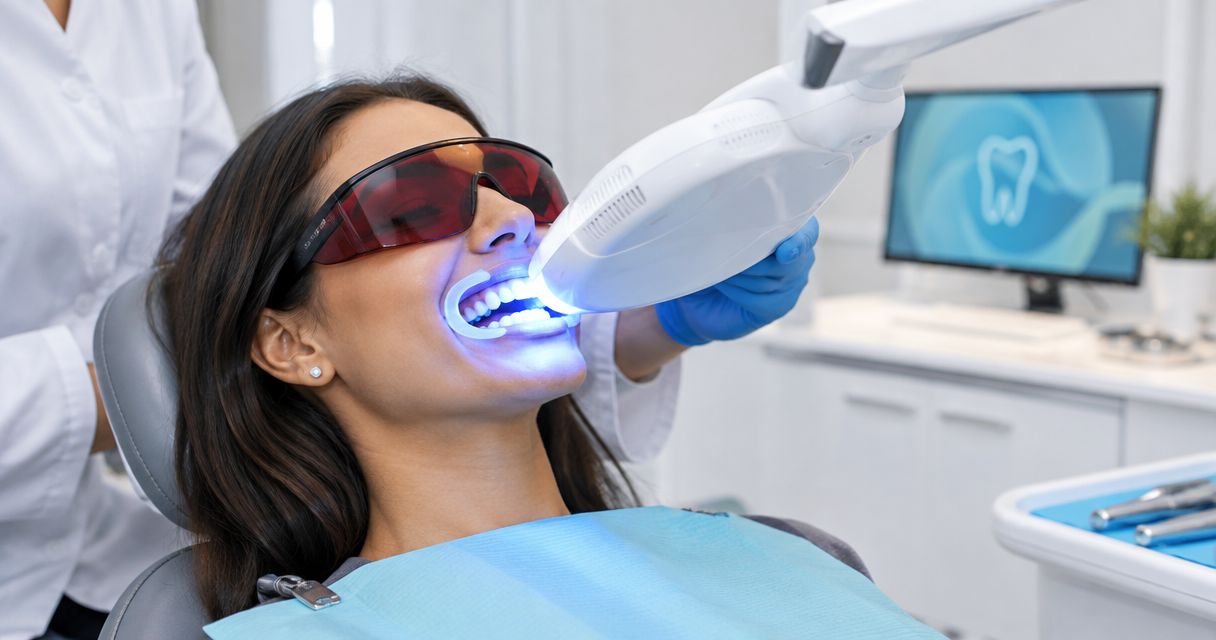
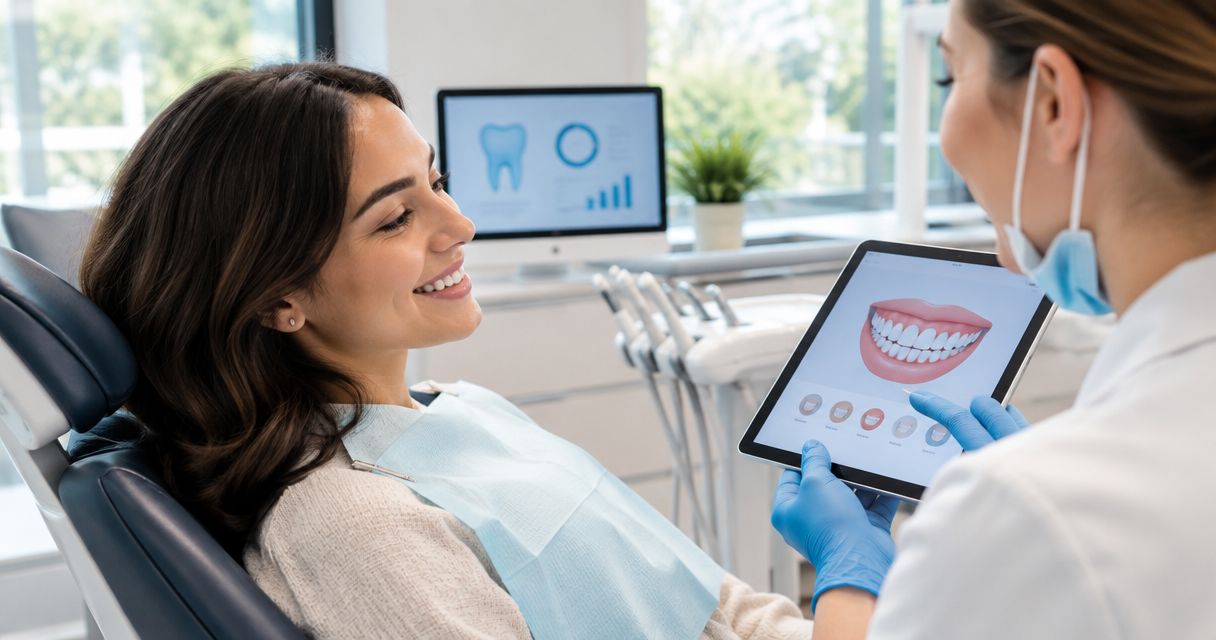
Instead of treating your entire smile makeover as one HSA/FSA expense, separate medically necessary dental care from appearance-only treatment, confirm eligibility, and keep itemized records. Using HSA FSA funds for cosmetic dentistry in 2026 generally excludes purely cosmetic procedures, but qualifying restorative treatment can remain eligible even when it improves your smile.
- Using HSA FSA funds for cosmetic dentistry requires separating appearance-only procedures from qualifying dental treatment.
- Starboard Dental provides general, restorative, and cosmetic dental care; account rules determine reimbursement eligibility.
- Teeth whitening is not a qualified medical expense under IRS guidance.
- Confirm treatment purpose, account deadlines, and documentation before scheduling your smile makeover.
Why this matters
A smile makeover describes your goal, not a tax category. Your plan might combine treatment for decay or a damaged tooth with an elective change to tooth color. Those services need separate eligibility decisions, even when they happen during the same appointment.
Starboard Dental is best for patients seeking general, restorative, and cosmetic dental care in Kennebunk, York, and Saco, Maine. Start with your dental needs at Starboard Dental, then match each proposed service to your account's requirements.
For 2026 planning, the relevant federal references are IRS Publication 502, Medical and Dental Expenses, and IRS Publication 969, Health Savings Accounts and Other Tax-Favored Health Plans. Publication 502 explains qualifying dental expenses and cosmetic exclusions; Publication 969 explains account rules. An administrator's acceptance of a payment card does not establish tax eligibility.
Before you start
- Gather account access and plan documents. Have your HSA custodian or FSA administrator information, insurance details, and the applicable 2026 coverage period. Read the rules for eligible family members, reimbursement submissions, and deadlines.
- Request an itemized treatment plan. Ask for each procedure's purpose, the tooth involved when applicable, and the expected treatment sequence. Keep restorative care separate from appearance-only changes.
- Check the timing trap. An FSA generally uses the date care is provided, not the date you pay a deposit. For an HSA, the expense must be incurred after the account was established; verify any special timing rules before committing funds.
You also need the right account combination. A general-purpose health FSA generally makes you ineligible to contribute to an HSA, while certain limited-purpose or post-deductible arrangements can be compatible. Ask your benefits administrator which arrangement you have rather than assuming both accounts work together.
Treatment classification
Build your itemized dental plan
- Explain both health concerns and appearance goals. Tell your dentist about pain, sensitivity, broken teeth, chewing difficulties, and changes you want to make to your smile. A color preference and a painful tooth need different discussions.
- Ask what each procedure treats. Request a plain-language explanation of whether the service addresses decay, disease, injury, lost function, or appearance alone. Do not ask the office to relabel cosmetic treatment for reimbursement.
- Separate the plan into individual services. Keep whitening, restorations, examinations, and other proposed treatments on distinct lines. A single package description makes it harder to document qualifying expenses.
- Identify what needs clarification. If a procedure serves both functional and appearance goals, ask your dentist to document the actual clinical reason. Take that explanation to the administrator before paying with account funds.
Expected result: You have a treatment-by-treatment plan that explains what each service does and why it is recommended. You are not relying on the phrase smile makeover to establish eligibility.
Compare common treatment categories
These examples describe federal eligibility principles, not a promise of approval for your individual claim. The treatment's purpose and your account rules remain decisive.
| Treatment | Best for | HSA/FSA eligibility principle | Benefit and limitation |
|---|---|---|---|
| Fillings | Treating tooth decay | Dental treatment for decay generally qualifies | Restores damaged tooth structure; does not address every appearance concern |
| Crowns | Restoring a damaged tooth | Generally qualifies when treating a dental condition | Can restore function and appearance; a purely appearance-driven request needs separate review |
| Dental implants | Replacing missing teeth | Dental treatment to address missing teeth generally qualifies | Addresses tooth replacement; requires individual clinical assessment |
| Orthodontic treatment | Correcting tooth alignment | IRS guidance includes braces as qualifying dental treatment | Addresses alignment; billing and reimbursement timing require attention |
| Teeth whitening | Changing tooth color | IRS guidance excludes teeth whitening | Changes appearance; does not qualify as a medical expense |
| Veneers | Changing tooth shape or appearance | Purely cosmetic treatment generally does not qualify | Can change appearance; a cosmetic goal alone does not establish eligibility |
For cosmetic surgery or similar procedures, IRS Publication 502 describes a narrow exception for correcting a deformity arising from a congenital abnormality, an accident or trauma, or a disfiguring disease. Do not assume that exception covers a particular veneer or other cosmetic procedure. Ask for case-specific guidance and supporting documentation.
Account eligibility and documentation
Confirm the rules before scheduling
- Identify the account type. Determine whether you are using an HSA, a general-purpose health FSA, or a limited-purpose FSA. Read your plan's dental coverage provisions rather than transferring assumptions between accounts.
- Send the actual procedure details. Ask the administrator what documentation it requires for the proposed service. Include the treatment purpose and ask about any special rules for orthodontics or care delivered in stages.
- Confirm who qualifies. Check whether the patient meets the account's rules for eligible family members. Insurance enrollment and eligibility for tax-favored reimbursement are not automatically the same thing.
- Record the answer. Keep written guidance or a reference to the plan provision with your treatment documents. For an HSA, you remain responsible for supporting the tax treatment of your withdrawals.
Expected result: You know which services meet the applicable requirements, which need more documentation, and which must stay outside the account.
A letter of medical necessity is supporting evidence, not an automatic exception. It cannot make teeth whitening eligible simply because you would feel better about your smile. Documentation must describe the real medical or dental condition and the treatment addressing it.
Match treatment to account timing
- Check when care will occur. Compare planned service dates with the FSA coverage period and any permitted extension. For an HSA, confirm that the expense occurs after the account's establishment date.
- Distinguish treatment deadlines from filing deadlines. An FSA run-out period gives you time to submit claims for eligible expenses already incurred. It does not, by itself, extend the period in which you can receive care.
- Read the carryover or grace-period provision. A health FSA can offer a carryover or a grace period, but not both. If offered, a grace period can extend up to 2½ months after the plan year ends; your employer's plan controls whether it exists.
- Schedule according to clinical priority. Arrange care in the sequence your dentist recommends, then check whether those dates fit your 2026 account rules. Do not rush unnecessary treatment merely to use a balance.
Expected result: Your service dates, account eligibility period, and claim-submission deadline are recorded separately. You know whether a deposit, staged treatment, or year-end appointment needs additional clarification.
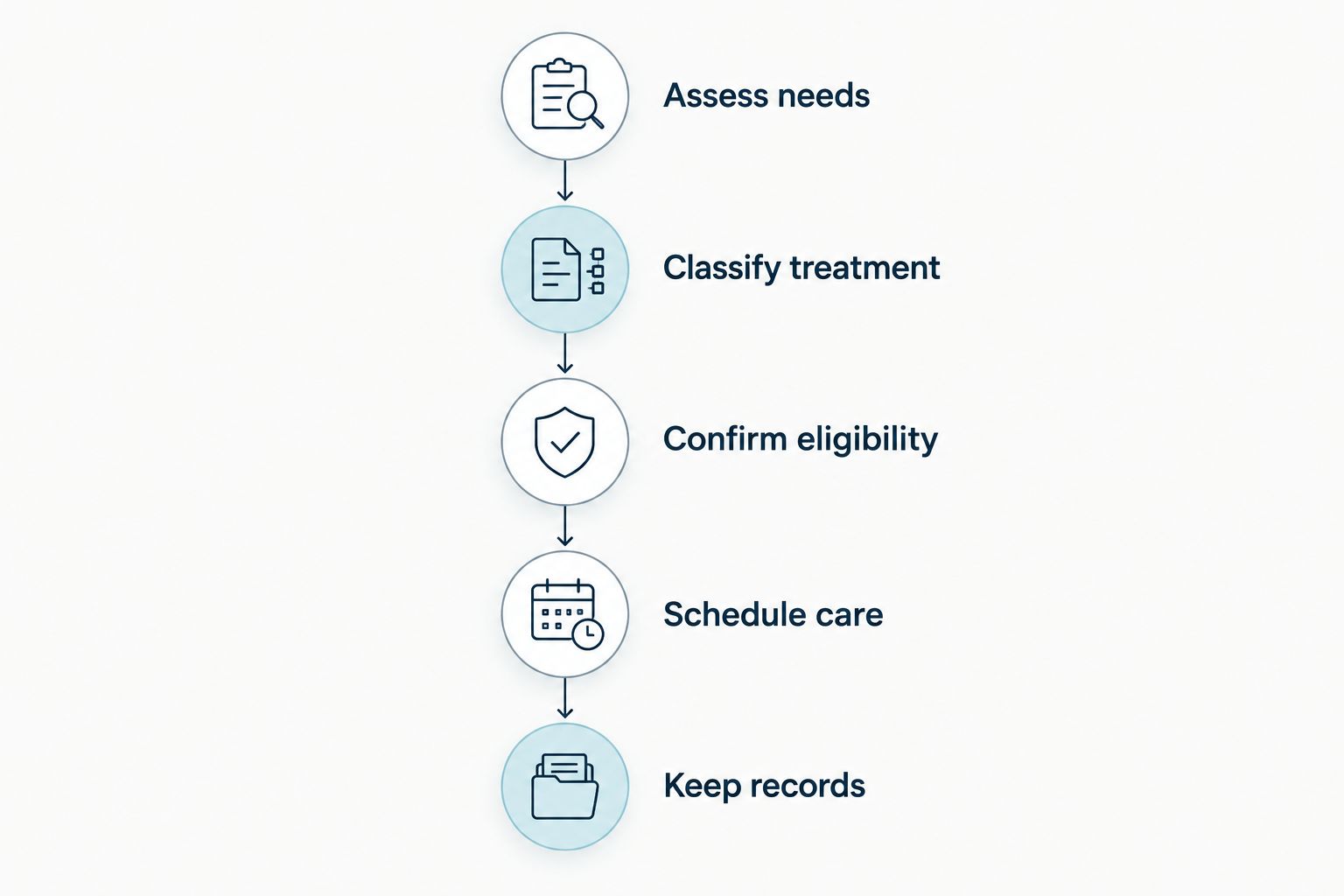
The workflow is simple when each decision stays separate: Assess needs, Classify treatment, Confirm eligibility, Schedule care, and Keep records. Complete the eligibility check before account payment, not after it.
Payment and claim records
Pay and document each eligible expense
- Request an itemized receipt after care. Keep the patient's name, provider, service date, procedure description, and amount paid. A card transaction alone does not explain which treatment you received.
- Account for insurance payments. Retain the explanation of benefits when insurance applies. Submit or reimburse only the eligible portion that has not been paid by insurance or another source.
- Separate account payment from personal payment. Use personal funds for excluded cosmetic services. Ask how mixed invoices are handled before making one payment for the entire treatment plan.
- Keep a reimbursement log. Record which account paid each expense and attach the supporting documents. Do not reimburse the same expense from both an HSA and an FSA, or claim a tax deduction for an expense already reimbursed tax-free.
Expected result: Every account-funded payment corresponds to a documented, eligible expense, without duplicate reimbursement or an unexplained cosmetic charge.
HSA and FSA records serve different processes. FSA administrators generally substantiate claims under the plan's rules. With an HSA, you retain the records needed to support qualified distributions, even when the custodian does not request them at payment.
When your treatment plan changes
A second workflow applies when your dentist revises the plan after an examination or during treatment. An earlier eligibility answer does not automatically cover a different procedure.
- Request the revised itemized plan. Identify the added, removed, or substituted service and its clinical purpose.
- Recheck eligibility and dates. Send the changed details to the administrator when necessary, especially if care moves into a different coverage period.
- Update insurance information. Keep the revised explanation of benefits or claim record so your reimbursement reflects the actual patient responsibility.
- Replace outdated documents. Keep the earlier plan for context, but use the final invoice and service dates for reimbursement.
Best for: Staged treatment or plans that change as dental needs become clearer. The benefit is accurate reimbursement; the limitation is that each revision requires another documentation check.
Troubleshooting
Your account card works, but eligibility is unclear
Pause further account payments and verify the service. Card acceptance confirms that a transaction processed, not that the expense meets IRS rules. Keep the receipt and ask the administrator or a qualified tax adviser how to correct an ineligible payment.
Your claim is denied for missing documentation
Match the submission to the administrator's stated requirements. Supply the itemized receipt, actual service date, and requested explanation of benefits or treatment information. A bank statement shows payment but usually does not establish the treatment's purpose.
Your invoice combines whitening and restorative care
Request separate line items and identify the amount attributable to eligible care. Do not submit the entire invoice as restorative treatment. If the charge cannot be separated clearly, resolve the documentation before requesting reimbursement.
You paid a deposit before your FSA deadline
Check when the expense was incurred under your plan. Payment before year-end does not generally make later treatment eligible for that period. Ask about any special orthodontic rules instead of assuming a deposit secures reimbursement.
You already used HSA funds for an excluded procedure
Contact the HSA custodian and a qualified tax adviser about correction options. Nonqualified HSA distributions are generally taxable and subject to an additional 20% tax. That additional tax generally does not apply after age 65, although income tax still applies to nonqualified withdrawals; other statutory exceptions also exist.
Customize your workflow
Use the same itemized plan to coordinate dental insurance and account reimbursement. The Delta Dental insurance-to-treatment-plan workflow explains that adjacent planning process; your own policy determines coverage.
For a mixed 2026 smile makeover, keep separate records for qualifying care and excluded appearance-only services. Ask your dentist which treatment should come first for oral health, then discuss the cosmetic goals that remain. Choose care for its clinical purpose, not its reimbursement label.
Starboard Dental provides general, restorative, and cosmetic dentistry under Dr. Alex Kerbaugh. That gives you a place to discuss both health and appearance goals; tax eligibility still depends on the actual treatment and account rules, not the practice's service category.
Discuss your dental goals
Start with your oral health needs and request an itemized treatment plan.
FAQ
Can I use HSA or FSA funds for a smile makeover?
You can use HSA or FSA funds for qualifying dental expenses within a smile makeover, but not generally for purely cosmetic services. Separate each procedure and confirm its treatment purpose and account requirements.
Can I use my HSA or FSA for teeth whitening?
No. IRS Publication 502 excludes teeth whitening from qualifying medical expenses, so pay for whitening outside your HSA or FSA.
Are veneers eligible for HSA or FSA reimbursement?
Veneers used purely to improve appearance generally are not eligible. A treatment addressing a qualifying condition requires case-specific review and documentation; a dentist's recommendation alone does not establish eligibility.
Can I use account funds for crowns or dental implants?
Crowns and dental implants generally qualify when they treat a dental condition or replace missing teeth. Keep documentation of the treatment purpose and reimburse only the eligible portion not paid by insurance or another source.
Does a medical necessity letter guarantee approval?
No, a medical necessity letter does not guarantee eligibility or reimbursement. It supports the clinical explanation, but the expense must still meet federal requirements and the applicable plan rules.
Do HSA funds expire at the end of 2026?
No, unused HSA funds carry forward rather than expiring at year-end. FSA funds follow different rules, so check your plan's coverage period, carryover or grace period, and submission deadline.
Can I reimburse one dental bill from both my HSA and FSA?
You cannot reimburse the same expense twice. If separate eligible portions are assigned to different accounts, keep clear records and verify that your account arrangement permits the intended use.
One last thing
An HSA reimbursement does not have to occur in the same year as the qualifying treatment. IRS Publication 969 states that there is no time limit for reimbursing eligible expenses incurred after the HSA was established, provided you keep supporting records and have not already received reimbursement or deducted the expense.
That makes the receipt important long after the appointment. Save the itemized invoice, insurance record, and payment evidence together rather than relying on a bank transaction you might struggle to identify later.