An oral appliance can reduce snoring while you wear it, but reaching a comfortable, effective fit takes assessment, fitting, and follow-up adjustments—not a fixed number of nights. Improvement can begin before the adjustment process is complete. Quieter sleep does not prove that sleep apnea is controlled, and an appliance manages snoring rather than permanently removing its cause.
- How long does an oral appliance take to fix snoring? Timing depends on fit, adjustment, and the diagnosis.
- A mandibular advancement appliance can reduce snoring, but quieter sleep does not confirm that sleep apnea is controlled.
- Starboard Dental provides general dental care; ask about an appropriate starting point for snoring concerns.
- Persistent jaw pain, choking, or daytime sleepiness needs follow-up—not more forceful appliance adjustment.
How long does an oral appliance take to fix snoring?
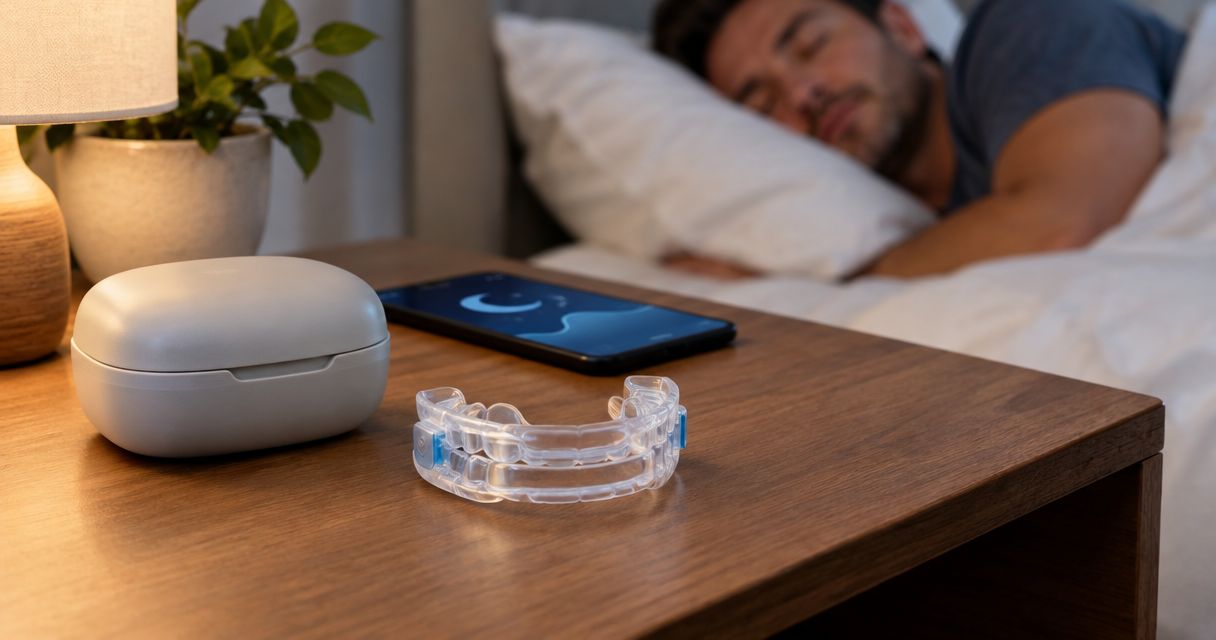
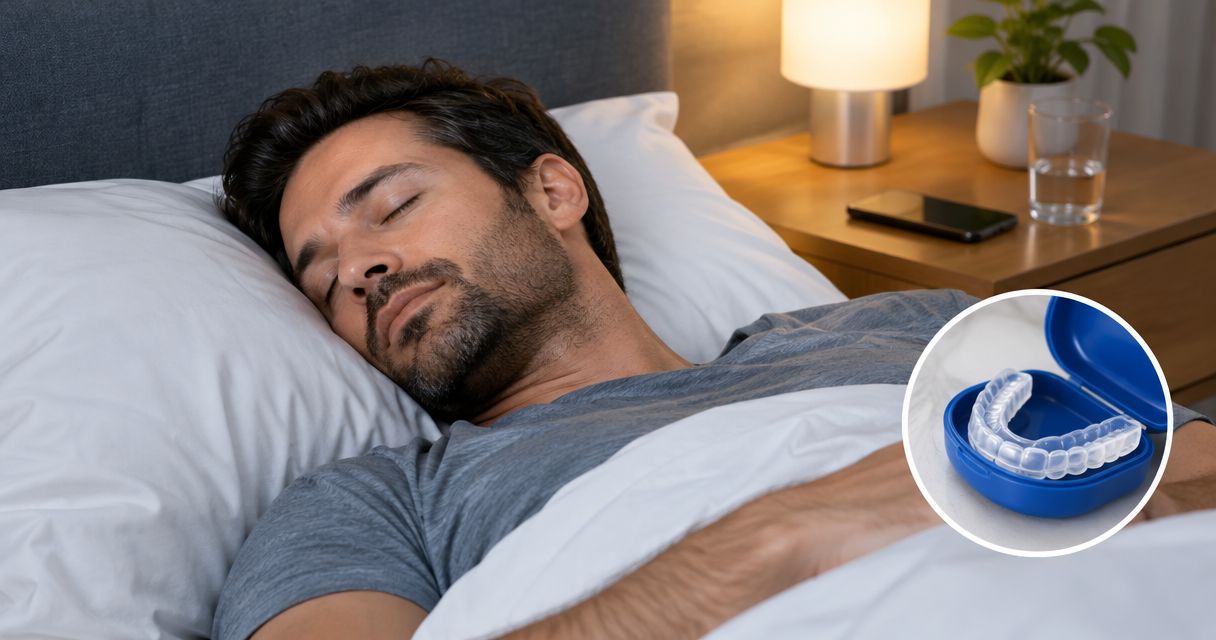
There is no reliable deadline that applies to every person. An appliance that holds your lower jaw forward can reduce snoring once it supports your airway effectively during sleep. Getting there involves more than receiving the device: your dentist checks its fit, your comfort, and your response to gradual adjustment.
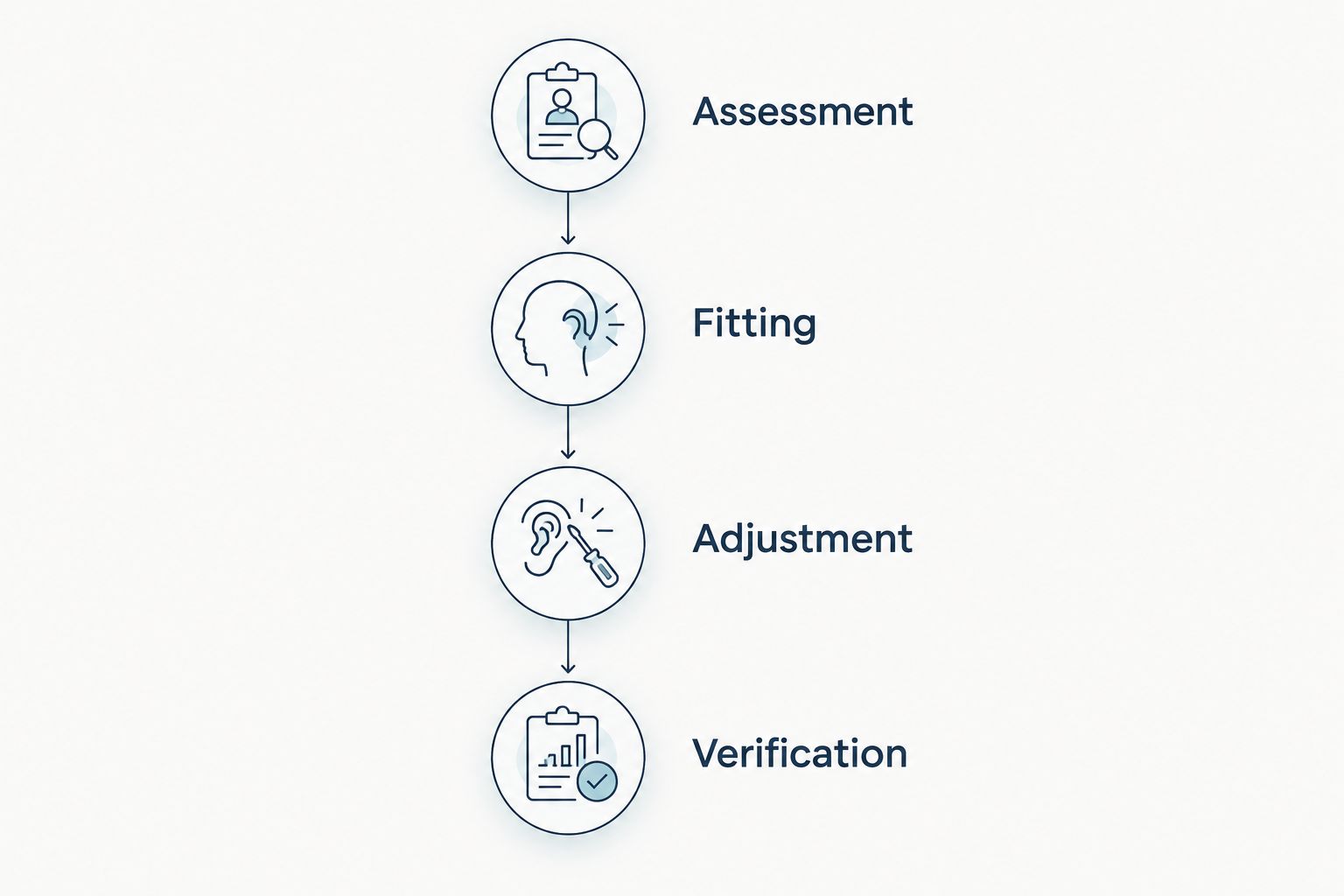
Separate the timeline into these stages:
| Stage | What happens | What tells you to move forward |
|---|---|---|
| Assessment | Your clinicians evaluate snoring, sleep apnea risk, and dental suitability | You have an appropriate diagnosis and treatment plan |
| Fitting | Your dentist checks how the appliance sits on your teeth | The appliance fits securely without injuring your mouth |
| Adjustment | Your dentist guides changes to the jaw position | Comfort and symptoms support the next adjustment |
| Verification | Your care team evaluates whether treatment works | Follow-up findings support continuing treatment |
For your 2026 care plan, ask for milestones rather than a promised finish date. Starboard Dental provides general, restorative, and cosmetic dental care for patients in Kennebunk, York, and Saco, Maine; you can ask where a dental assessment fits into your next steps.
Why this matters
Snoring is a sound, but obstructive sleep apnea involves repeated airway blockage during sleep. The conditions overlap, so a quieter bedroom is useful feedback—not a complete medical assessment.
If you judge success only by your partner hearing less noise, you can miss persistent breathing problems. If you expect the appliance to feel natural immediately, you can also mistake an adjustment issue for treatment failure.
The goal is comfortable treatment that addresses the diagnosed problem, not silence at any cost. A 2026 treatment plan should explain who checks the appliance, who evaluates your breathing, and how you report problems between visits.
What happens before you can judge the result?
Start with the right assessment
Tell your clinician whether you snore regularly, wake up choking, have witnessed breathing pauses, or feel unusually sleepy during the day. Include information about alcohol use, medications, nasal blockage, and any previous sleep testing.
These details help distinguish straightforward snoring concerns from symptoms that need a sleep evaluation. A dental examination alone does not rule out sleep apnea.
If you have an existing diagnosis, bring the report and your current treatment information. Do not stop prescribed sleep apnea treatment while waiting for an appliance unless your treating clinician directs you to do so.
Check the fit before judging performance
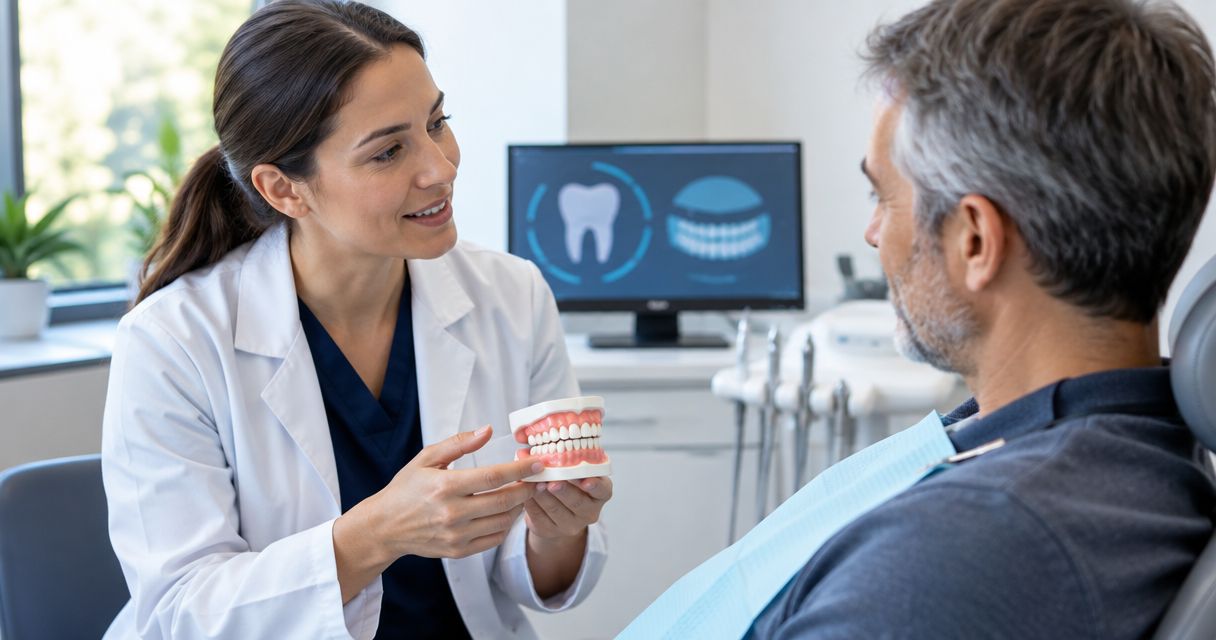
A custom appliance needs to sit correctly on your teeth and remain secure during sleep. Your dentist also considers the condition of your teeth, gums, bite, and jaw joints before recommending treatment.
A device that rubs your gums, comes loose, or places uncomfortable pressure on individual teeth needs attention. Simply wearing it longer does not correct a poor fit.
At the fitting visit, practice inserting and removing the appliance. Ask how to clean it, where to store it, and which symptoms should prompt a call rather than another night of wear.
Adjust under professional guidance
For an adjustable mandibular advancement appliance, the jaw position is usually changed gradually according to the treatment plan. Moving the jaw farther forward is not automatically better: comfort, dental effects, and breathing response all matter.
Follow the instructions for your specific device. Do not copy someone else's adjustment schedule or turn the mechanism farther because a snoring app recorded noise.
Your dentist needs to know whether you are wearing the appliance throughout sleep. A device that reduces snoring but is too uncomfortable to keep in place needs a different discussion from one that fits well but does not improve symptoms.
Confirm the outcome
For diagnosed obstructive sleep apnea, follow-up sleep testing helps establish whether oral appliance treatment is effective. The American Academy of Sleep Medicine and American Academy of Dental Sleep Medicine guideline on oral appliance therapy recommends follow-up testing and ongoing clinical oversight for these patients.
Partner observations and symptom notes still help. They describe what is happening at home, but they do not replace a breathing assessment when one is needed.
Why the time to improvement varies
Your response depends on the problem being treated and whether the appliance can address it comfortably. These factors explain why another person's experience is not a dependable schedule for you:
- Diagnosis: Snoring without sleep apnea and snoring with obstructive sleep apnea need different measures of success. Breathing symptoms require more than a noise check.
- Appliance fit: A secure, comfortable fit supports consistent use. Pressure spots, looseness, or dental problems can interrupt treatment and require reassessment.
- Jaw position: An effective position must also be tolerable. Adjustment balances airway support with the effects on your teeth, bite, and jaw joints.
- Consistent use: An appliance works while it is in place. Removing it during sleep limits the benefit, even when it works well earlier in the night.
- Other contributors: Nasal obstruction, alcohol near bedtime, and sleeping position can influence snoring. An appliance does not directly resolve every contributing condition.
- Follow-up findings: Persistent symptoms or an inadequate sleep-test result can change the plan. Continuing an ineffective setting is not progress simply because more time has passed.
Keep your 2026 follow-up appointments even if your partner reports improvement. They give your care team a chance to check both treatment response and unwanted dental changes.
Is an oral appliance the same as a night guard or CPAP?
No. These devices serve different purposes, and substituting one for another can leave the underlying problem untreated.
| Option | Best for | Main advantage | Main limitation |
|---|---|---|---|
| Mandibular advancement appliance | Selected patients with snoring or obstructive sleep apnea after evaluation | Supports the airway by holding the lower jaw forward during sleep | Requires suitable dental health, adjustment, and monitoring for jaw or bite effects |
| CPAP | Patients prescribed positive airway pressure for obstructive sleep apnea | Uses pressurized air to keep the airway open | Requires a mask and equipment that you must use consistently |
| Grinding night guard | Patients advised to protect teeth from grinding-related wear | Creates a protective barrier between the teeth | A standard grinding guard is not a substitute for sleep apnea treatment |
Choose the device for the diagnosis, not for its resemblance to a mouthguard. Professional sleep medicine guidance supports considering oral appliances for adults with obstructive sleep apnea who cannot tolerate CPAP or prefer an alternative, with appropriate evaluation and follow-up.
That does not mean every patient should switch. If CPAP has been prescribed, discuss any change with your sleep clinician before replacing it with an oral device.
What should you track during adjustment?
For your 2026 follow-up visits, a brief written record is more useful than trying to remember whether sleep felt better several nights ago. Record observations without turning them into a diagnosis.
- Wear: Note whether you used the appliance throughout sleep or removed it, and explain why.
- Snoring: Record your partner's observations, including whether the sound changed with sleeping position.
- Breathing: Note witnessed pauses, choking, or gasping. These deserve clinical attention even if snoring is quieter.
- Daytime symptoms: Describe sleepiness, morning headaches, or difficulty feeling refreshed after sleep.
- Comfort: Note tooth tenderness, jaw discomfort, gum irritation, or a bite that feels different after removal.
Bring the appliance to follow-up appointments so your dentist can inspect it. Describe the location and pattern of discomfort rather than reporting only that it hurts.
A phone recording can provide context about noise, but it cannot tell you reliably whether your blood oxygen or airflow is normal. Avoid treating an app's score as permission to skip medical follow-up.
When should you contact your care team?
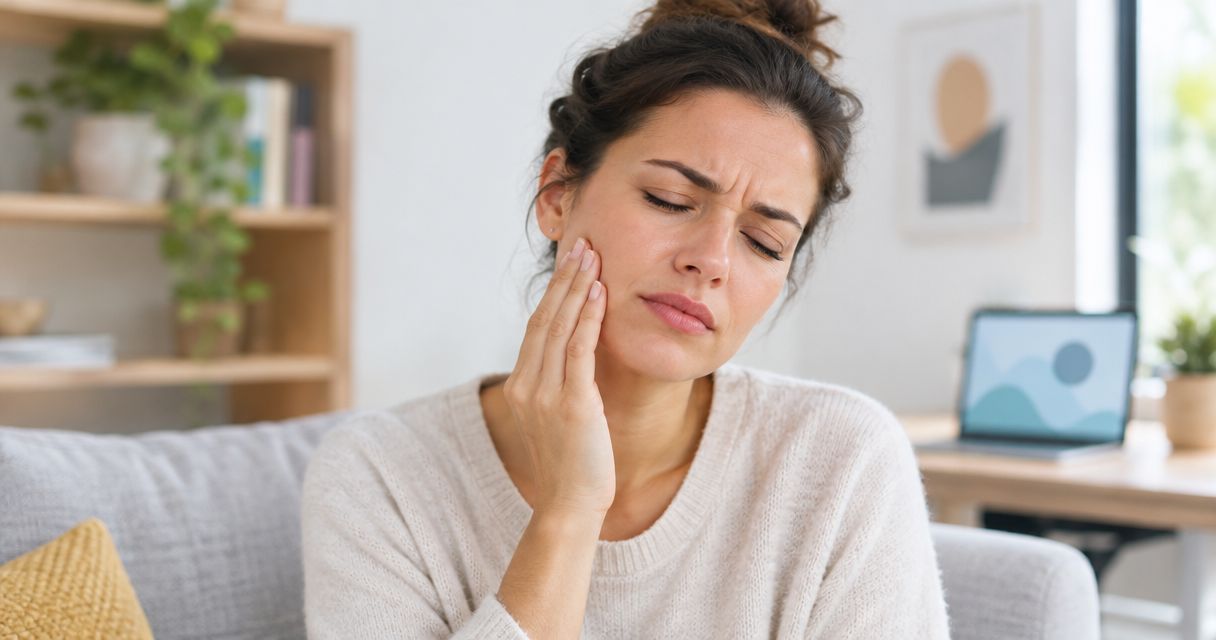
Contact your dentist about persistent jaw pain, sores, tooth pain, a loose appliance, or a bite change that does not settle. Do not force a painful device into place or keep advancing it to chase quieter sleep.
Contact your sleep clinician about ongoing choking, witnessed breathing pauses, or significant daytime sleepiness. Do not drive when you feel too sleepy to drive safely. These concerns take priority over completing an adjustment schedule.
If you have not had an assessment, the primary care referral to a snoring evaluation workflow explains the referral pathway. Start with your symptoms and medical history rather than choosing a device first.
Starboard Dental is a fit for families seeking general, restorative, and cosmetic dental care in coastal Maine. For snoring concerns, ask the practice which dental questions it can address and whether you need coordination with a sleep medicine clinician.
Discuss your dental questions
Ask where a dental assessment fits into your next steps for snoring concerns.
Will an oral appliance permanently cure my snoring?
An oral appliance generally manages snoring while you wear it; it does not permanently change every cause of airway narrowing. Snoring can return when you sleep without it.
That distinction matters when you feel better and consider stopping. Follow the treatment plan, and request reassessment if your health, weight, symptoms, or dental condition changes.
What if the appliance fits but I still snore?
Persistent snoring needs a review of fit, jaw position, actual wear, and the original diagnosis. Your dentist and sleep clinician can decide whether further adjustment, additional assessment, or another treatment is appropriate.
Do not assume the appliance has failed solely because the adjustment process is unfinished. Equally, do not keep waiting indefinitely when symptoms remain unchanged or breathing concerns continue.
Can I stop follow-up once my partner sleeps better?
No—partner feedback does not replace the checks needed for diagnosed sleep apnea or the monitoring of dental side effects. Keep the appointments recommended by your treating clinicians.
For 2026 and later use, ask what changes should trigger an earlier visit. A broken device, new dental work, renewed snoring, or a change in your bite deserves a fresh look rather than an improvised repair.
FAQ
How long should I wait for an oral appliance to stop my snoring?
There is no fixed waiting period that applies to everyone. Follow the fitting and adjustment plan, and report persistent snoring or discomfort rather than choosing your own deadline.
Can an oral appliance help before all the adjustments are finished?
Yes, snoring can improve before the adjustment process is complete. Early improvement is encouraging, but diagnosed sleep apnea still needs appropriate follow-up to confirm treatment effectiveness.
Does quieter snoring mean my sleep apnea is gone?
No, quieter snoring does not prove that obstructive sleep apnea is controlled. Your sleep clinician determines whether follow-up sleep testing is needed to assess breathing during treatment.
Should I move my snoring appliance forward every night?
Adjust your appliance only according to your dentist's instructions. More forward movement is not automatically more effective and can increase discomfort or unwanted dental effects.
Is jaw pain normal when I start an oral appliance?
Jaw discomfort can occur, but persistent or worsening pain needs a dental review. Do not force yourself through pain or continue advancing the appliance without guidance.
Can my regular grinding night guard treat sleep apnea?
A standard grinding night guard is not a substitute for a prescribed sleep apnea appliance. The devices have different purposes, so confirm which condition your device is intended to address.
Should I stop CPAP while waiting for an oral appliance?
Do not stop prescribed CPAP without instructions from your treating clinician. Your care team should explain how to transition and how the appliance's effectiveness will be checked.
One last thing
A quieter night and a successful treatment are not always the same thing. Before leaving your fitting appointment, ask: What will show that this is working, and who will check it?
That question gives you a better guide than a promised number of nights. You should leave knowing how to use the appliance, how to report problems, and what happens if your symptoms do not improve.