Best overall for mild, brief sensitivity: desensitizing toothpaste. Best preventive habit: gentle brushing. Best for persistent or localized pain: dental treatment matched to the cause. This 2026 guide compares the best options for treating sensitive teeth, including what each approach helps and when home care is not enough.
- The best options for treating sensitive teeth depend on whether pain comes from exposed dentin, decay, grinding, or inflammation.
- Desensitizing toothpaste is the first home-care choice for mild, brief sensitivity without warning signs.
- Starboard Dental provides general and restorative dental care for patients in Kennebunk, York, and Saco, Maine.
- Lingering pain, swelling, or pain when biting needs dental assessment rather than repeated toothpaste changes.
Why this matters
Sensitive teeth are a symptom, not a diagnosis. A quick sting from cold water can come from exposed dentin, the layer beneath enamel, while a cavity, crack, or inflamed tooth nerve can cause pain that needs different treatment.
Starboard Dental is a local option for patients in Kennebunk, York, and Saco seeking general and restorative dental care for sensitive teeth. Led by Dr. Alex Kerbaugh, Starboard Dental serves patients of all ages.
Use this guide to understand your choices before a dental visit, not to diagnose the tooth yourself. Facial swelling with difficulty breathing or swallowing requires emergency medical care; severe tooth pain, fever, or swelling needs prompt professional assessment.
What makes the best treatment for sensitive teeth?
For your 2026 care decisions, choose the treatment that addresses the cause rather than simply covering up discomfort.
- Cause match: Exposed roots, cavities, grinding, and nerve inflammation need different approaches.
- Pain pattern: Brief discomfort from cold is different from spontaneous pain or pain that lingers.
- Tooth preservation: Start with conservative care when the examination supports it.
- Daily practicality: A treatment should fit your brushing routine and ability to use it correctly.
- Limits: Know what the treatment cannot fix and when you need reassessment.
The ranking below starts with home care for uncomplicated sensitivity, then separates dental treatments by their intended use. A lower-ranked treatment is not less effective when it addresses the correct diagnosis.
Sensitive-teeth treatments at a glance
| Option | Best for | Standout benefit | Key limitation |
|---|---|---|---|
| Desensitizing toothpaste | Mild, brief sensitivity from exposed dentin | Reduces sensitivity through regular use | Does not repair decay or cracks |
| Gentle brushing | Preventing further brushing-related irritation | Supports cleaning without aggressive scrubbing | Does not rebuild lost enamel or gum tissue |
| Professional fluoride treatment | Exposed dentin needing additional protection | Adds targeted professional care | Does not treat an infected tooth nerve |
| Dentin sealing or bonding | A localized exposed surface | Covers sensitive dentin | Suitability depends on the tooth and gum condition |
| Gum treatment | Sensitivity associated with gum disease | Addresses inflammation and supporting tissues | Does not automatically cover an exposed root |
| Fillings or crowns | Decay or structural damage | Repairs or protects damaged tooth structure | Does not address every source of sensitivity |
| A fitted night guard | Grinding-related tooth stress | Helps protect teeth from grinding damage | Does not stop every grinding habit or repair damage |
| Root canal treatment | Diagnosed inflammation or infection inside a tooth | Treats the affected tissue inside the tooth | Requires a diagnosis and follow-up restoration |
1. Desensitizing toothpaste: best for mild, brief sensitivity
Desensitizing toothpaste is the first home-care option for short, trigger-related discomfort without swelling, biting pain, or other warning signs. Depending on its active ingredient, it reduces nerve sensitivity or helps block the pathways through exposed dentin.
Choose a fluoride toothpaste labeled for sensitivity and follow its directions. Regular use matters; a single brushing is not a reliable test of whether it works for you.
Desensitizing toothpaste pros:
- Fits into your existing brushing routine.
- Offers a conservative starting point for uncomplicated sensitivity.
- Fluoride-containing formulas also support cavity prevention.
Desensitizing toothpaste cons:
- Does not repair a cavity, crack, or failing filling.
- Relief is not necessarily immediate.
- Repeated product changes can distract from persistent symptoms that need assessment.
Best for: Brief sensitivity from exposed dentin after concerning causes have been excluded.
Verdict: Buy a sensitivity toothpaste for appropriate home care; do not use it to postpone assessment of persistent pain.
2. Gentle brushing: best for preventing further irritation
A soft-bristled toothbrush and light pressure help you clean teeth without aggressive scrubbing. Brush for 2 minutes, twice daily, using fluoride toothpaste, and clean between teeth 1 time per day with floss or another suitable interdental cleaner.
Gentle brushing supports other treatments rather than replacing them. If cold water hurts, use lukewarm water instead of skipping brushing altogether.
Gentle brushing pros:
- Reduces unnecessary mechanical irritation.
- Supports everyday plaque removal.
- Works alongside toothpaste and professional treatment.
Gentle brushing cons:
- Cannot replace enamel or gum tissue already lost.
- Does not treat an existing cavity or tooth infection.
- Requires a consistent change if you habitually scrub hard.
Best for: People who use firm pressure or notice discomfort around exposed root surfaces.
Verdict: Buy a soft-bristled brush if needed and adopt light pressure; skip hard scrubbing.
3. Professional fluoride treatment: best for added protection
A dentist can recommend a professional fluoride treatment, such as varnish, when the examination supports it. Fluoride supports enamel resistance to decay, and professional applications can help reduce sensitivity in appropriate cases.
Your 2026 treatment plan should distinguish professional fluoride from home toothpaste. They can complement each other, but neither fixes a crack or removes an infection inside a tooth.
Professional fluoride treatment pros:
- Provides a professionally selected option for sensitive areas.
- Supports cavity prevention.
- Does not require drilling simply to apply fluoride.
Professional fluoride treatment cons:
- Does not address every cause of tooth pain.
- Further applications or other treatment can be necessary.
- Relief does not prove that the underlying diagnosis is resolved.
Best for: Exposed dentin or sensitivity where a dentist recommends additional fluoride protection.
Verdict: Hold until an examination confirms that professional fluoride fits the cause.
4. Dentin sealing or bonding: best for a localized exposed surface
A dentist can cover suitable exposed dentin with a sealing material or tooth-colored bonding. This creates a barrier between the sensitive surface and triggers such as cold drinks.
The tooth needs an assessment first. An exposed surface caused by recession, wear, or decay is not automatically treated in the same way, and a covering does not resolve every underlying problem.
Dentin sealing or bonding pros:
- Targets a specific sensitive area.
- Covers exposed dentin directly.
- Offers a conservative option when the surface is suitable.
Dentin sealing or bonding cons:
- Materials can wear or need repair.
- Does not treat active gum disease or nerve infection.
- Not every exposed root or worn surface is suitable.
Best for: A localized area of exposed dentin that remains sensitive and is appropriate for coverage.
Verdict: Hold until the dentist identifies the surface and confirms that sealing or bonding is suitable.
5. Gum treatment: best for sensitivity with gum disease
Gum disease can damage the tissues supporting teeth, while gum recession can expose sensitive root surfaces. Treatment focuses on the diagnosed gum condition, including professional cleaning and other periodontal care when needed.
Treating gum disease and treating root sensitivity are related but separate goals. Teeth can remain sensitive after gum treatment, and temporary sensitivity can follow cleaning.
Gum treatment pros:
- Addresses diagnosed inflammation rather than only discomfort.
- Supports the tissues that hold teeth in place.
- Creates a basis for managing associated root sensitivity.
Gum treatment cons:
- Does not automatically restore receded gum tissue.
- Requires ongoing home care and professional follow-up.
- Sensitive roots can need additional treatment.
Best for: Sensitivity accompanied by diagnosed gum disease, not recession alone.
Verdict: Skip toothpaste-only management when gum disease needs treatment.
6. Fillings or crowns: best for decay or structural damage
A filling repairs a cavity or suitable area of damaged tooth structure. A crown covers and protects a tooth when the extent of damage calls for broader support.
Neither is a routine treatment for every sensitive tooth. The choice depends on the amount of sound tooth remaining, the location of damage, and the condition of the tissue inside the tooth.
Fillings or crowns pros:
- Address decay or damage rather than only the sensation.
- Restore suitable damaged tooth structure.
- Offer different levels of protection based on the tooth's needs.
Fillings or crowns cons:
- Require treatment of the tooth itself.
- Temporary sensitivity can occur after restoration.
- Cannot alone resolve every case of nerve inflammation.
Best for: A sensitive tooth with diagnosed decay, a defective restoration, or structural damage.
Verdict: Hold until the examination identifies the repair needed; skip choosing a crown solely because a tooth feels sensitive.
7. A fitted night guard: best for grinding-related tooth stress
A fitted night guard creates a protective barrier between your upper and lower teeth. A dentist can recommend one when grinding or clenching contributes to tooth wear or stress.
A guard protects; it does not repair. A painful crack, cavity, or inflamed nerve still needs its own assessment, even if you also grind your teeth.
A fitted night guard pros:
- Helps protect teeth from grinding-related damage.
- Can form part of a plan for clenching or grinding.
- Allows the dentist to assess fit and tooth contacts.
A fitted night guard cons:
- Does not reliably eliminate the grinding habit.
- Needs cleaning, fit checks, and consistent use.
- Does not treat unrelated causes of sensitivity.
Best for: Clinically assessed grinding-related wear or tooth stress.
Verdict: Hold until grinding and fit are assessed; skip using a guard as a substitute for investigating tooth pain.
8. Root canal treatment: best for diagnosed nerve inflammation
Root canal treatment removes inflamed or infected tissue from inside a tooth, then cleans and seals the internal space. It is a treatment for a diagnosed problem inside the tooth, not ordinary brief sensitivity alone.
Lingering temperature pain, spontaneous pain, or other symptoms can prompt investigation. Symptoms by themselves do not establish the diagnosis; the dentist uses the examination and appropriate tests.
Root canal treatment pros:
- Treats affected tissue inside the tooth.
- Offers a way to retain a tooth that is suitable for treatment.
- Addresses a cause that sensitivity toothpaste cannot fix.
Root canal treatment cons:
- Requires professional treatment and follow-up restoration.
- Is not appropriate for every painful tooth.
- Does not guarantee that every damaged tooth can be retained.
Best for: A tooth with diagnosed pulp inflammation or infection that is suitable for retention.
Verdict: Hold until diagnosis; skip root canal treatment for uncomplicated sensitivity without an indication.
How to choose your next step
Use your pain pattern to decide how urgently to seek help, not to select a procedure yourself. In 2026, the practical distinction remains the same: home care supports mild sensitivity, while warning signs need professional assessment.
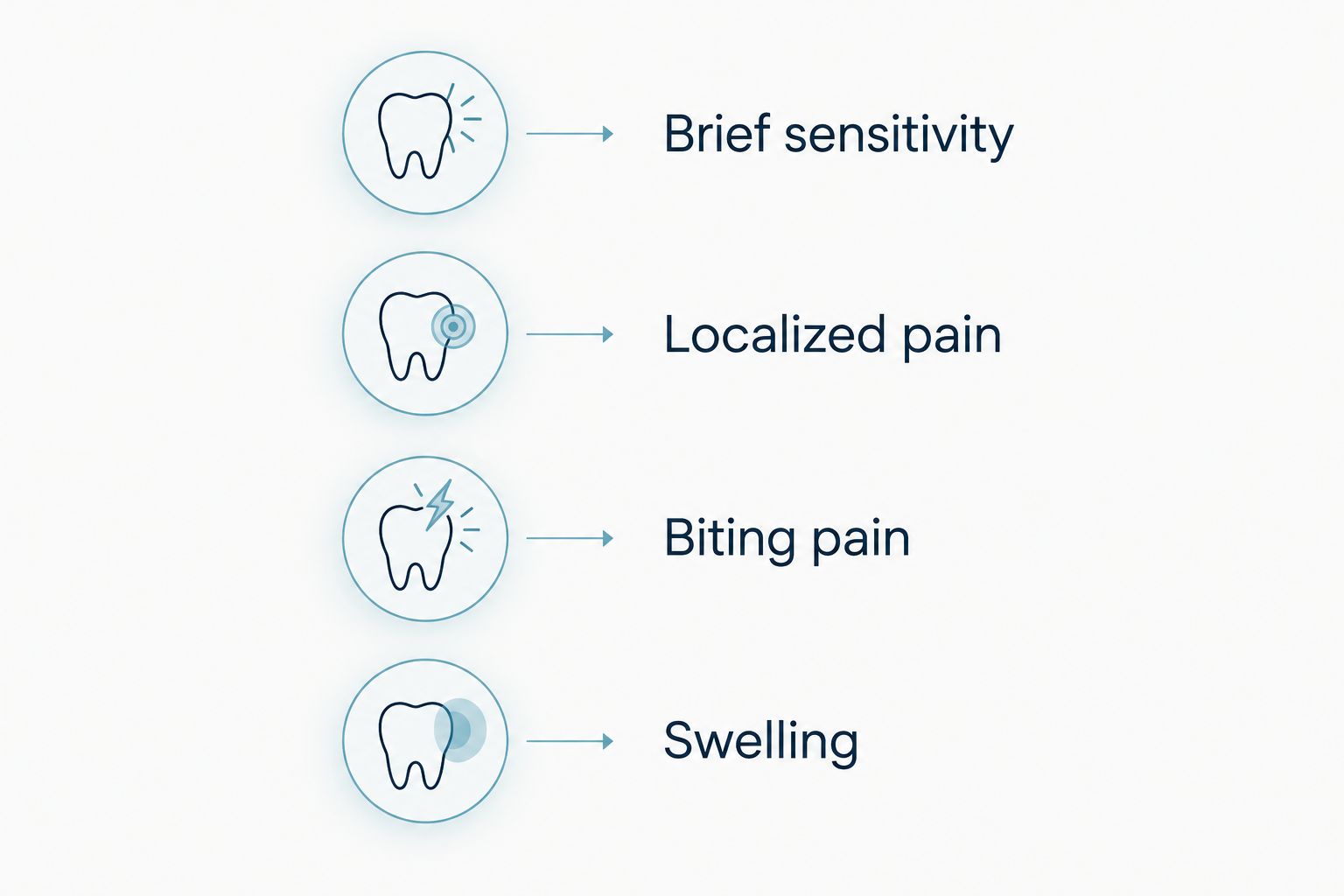
- Brief sensitivity: Use gentle brushing and suitable sensitivity toothpaste; arrange assessment if symptoms persist or worsen.
- Localized pain: Arrange a dental examination, particularly when one tooth repeatedly reacts.
- Biting pain: Seek assessment for damage, a restoration problem, or another cause.
- Swelling: Seek prompt care; breathing or swallowing difficulty is an emergency.
Before your visit, note what triggers the pain, which tooth or area reacts, and whether the discomfort stops quickly or lingers. Also mention recent whitening, dental work, and any clenching or grinding.
How the options are ranked
This 2026 ranking prioritizes cause match, conservative care, daily practicality, and treatment limits. It is a decision guide, not a claim that toothpaste outperforms a necessary filling or that a night guard treats gum disease.
The right treatment is the least invasive option that adequately addresses the diagnosed cause. Do not move down the list simply because the first option did not help; reassess the cause.
Which sensitive-teeth treatment should you choose?
For mild, brief sensitivity without warning signs, start with desensitizing toothpaste and gentle brushing. For pain that persists, lingers, affects one tooth repeatedly, or occurs when biting, choose a dental assessment before another home remedy.
Starboard Dental offers general and restorative dental care for patients in Kennebunk, York, and Saco. Discuss your symptoms and oral health goals so the next step addresses the tooth, not just the trigger.
FAQ
What's the best option for treating sensitive teeth at home?
Desensitizing fluoride toothpaste with gentle brushing is a first home-care option for mild, brief sensitivity without warning signs. Persistent, localized, or worsening pain needs dental assessment.
Is sensitivity toothpaste better than a professional fluoride treatment?
Neither is universally better; they serve different roles and can complement each other. Sensitivity toothpaste supports daily care, while professional fluoride is selected after assessing the teeth.
Why does one tooth hurt when I drink cold water?
A single tooth can react to cold because of exposed dentin, decay, a crack, or a problem inside the tooth. Repeated localized pain needs an examination to distinguish these causes.
Do sensitive teeth mean I need a root canal?
Sensitive teeth do not automatically need root canal treatment. Root canal treatment is used for diagnosed inflammation or infection inside a tooth, not brief sensitivity alone.
Can a night guard fix sensitive teeth?
A night guard helps protect teeth when grinding contributes to wear or stress, but it does not treat every cause of sensitivity. Decay, cracks, and nerve problems require separate assessment.
Should I stop brushing a sensitive tooth?
Do not stop cleaning a sensitive tooth; use a soft-bristled brush, light pressure, and lukewarm water if needed. Seek dental advice if pain prevents comfortable cleaning.
When is tooth sensitivity urgent?
Swelling, fever, severe pain, or pain when biting needs prompt professional assessment. Difficulty breathing or swallowing with facial swelling requires emergency medical care.
One last thing
Less pain does not always mean the cause is fixed. A toothpaste can reduce a trigger response without repairing decay or a crack, so keep an assessment appointment even if symptoms settle.
For your 2026 visit to Starboard Dental, bring a description of the pain and the toothpaste you use. Those details help make the conversation specific and useful.