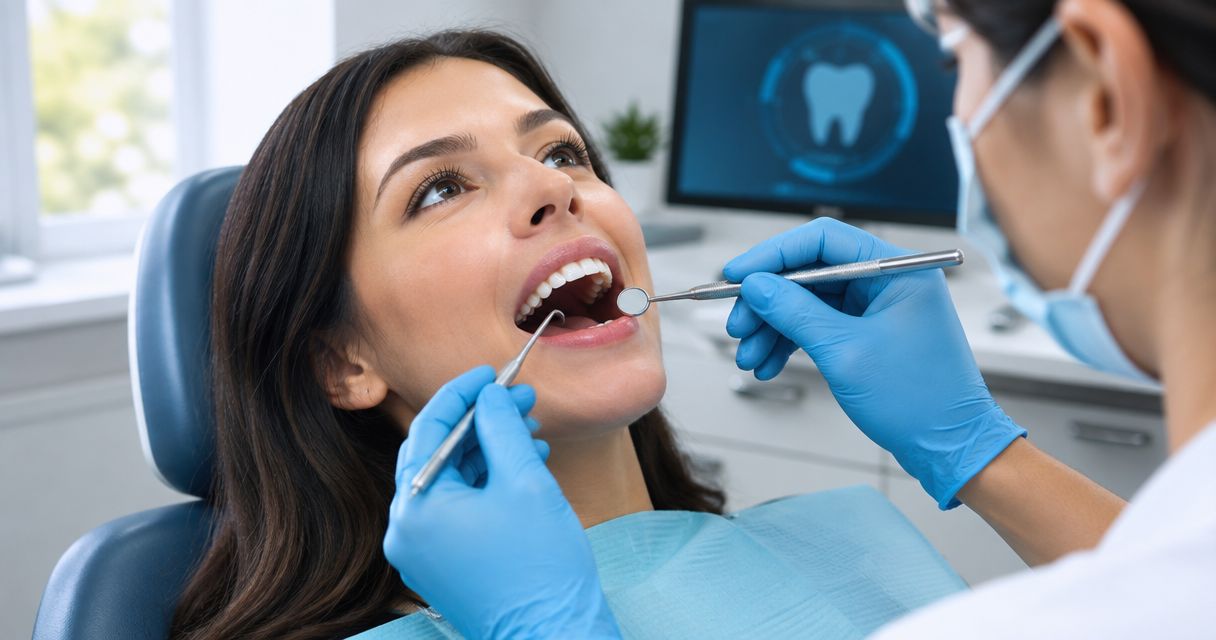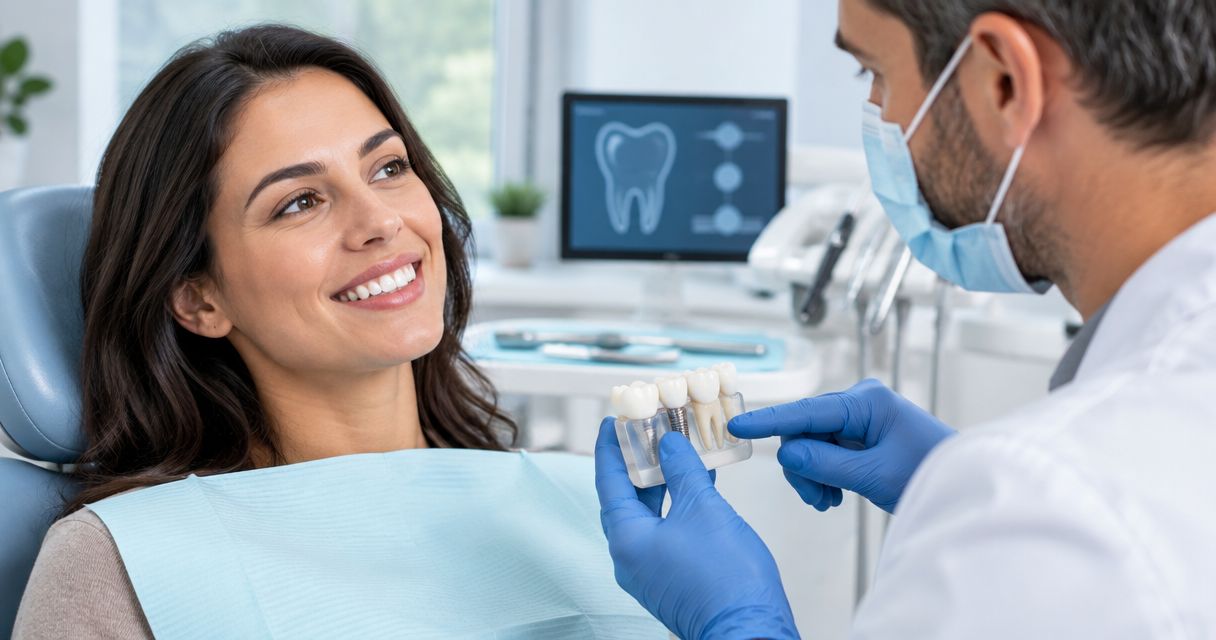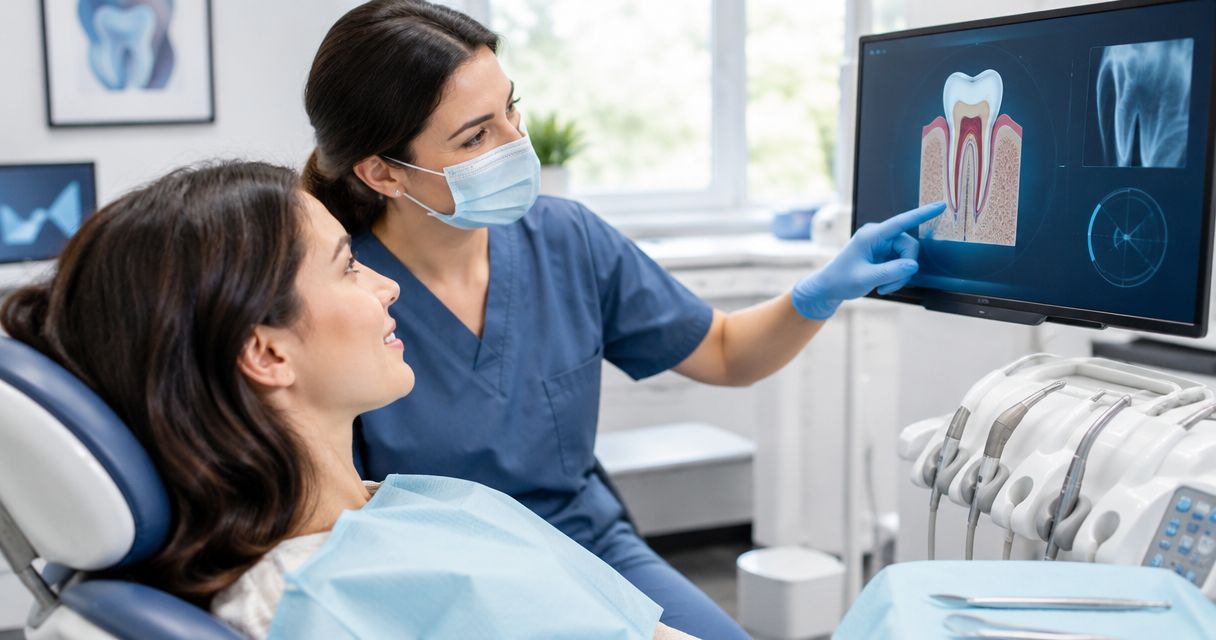
The cost to fix a chipped tooth in 2026 depends on the damage and the treatment needed: a small enamel chip and a fracture involving the tooth’s nerve require different care. Ask for a written estimate that separates the repair from any examination, imaging, nerve treatment, or final restoration your tooth needs.
- The cost to fix a chipped tooth depends on fracture depth, remaining tooth structure, and the repair selected.
- Dental bonding suits some small chips; a crown protects teeth that need more structural support.
- Starboard Dental provides general, restorative, and cosmetic dental care for patients in Kennebunk, York, and Saco, Maine.
- Ask for an itemized treatment estimate and confirm insurance benefits before comparing your out-of-pocket responsibility.
Why this matters
A chip that looks small in a mirror does not tell you how much tooth structure remains or whether a crack extends beneath the surface. Choosing a repair by appearance alone leaves out the question that matters most: what will protect the tooth when you bite?
For patients in Kennebunk, York, and Saco, Starboard Dental provides general, restorative, and cosmetic dental care. Start with an examination, then compare treatments that address the actual damage. A cosmetic improvement and a structurally sound repair are not always the same thing.
How much does it cost to fix a chipped tooth in 2026?
Your estimate should identify the proposed treatment, why it fits your tooth, and what is included. An enamel-only chip sometimes needs smoothing or bonding; a tooth with substantial damage needs a different assessment. A fracture that exposes or injures the pulp—the tissue containing nerves and blood vessels—also requires evaluation beyond the visible chip.
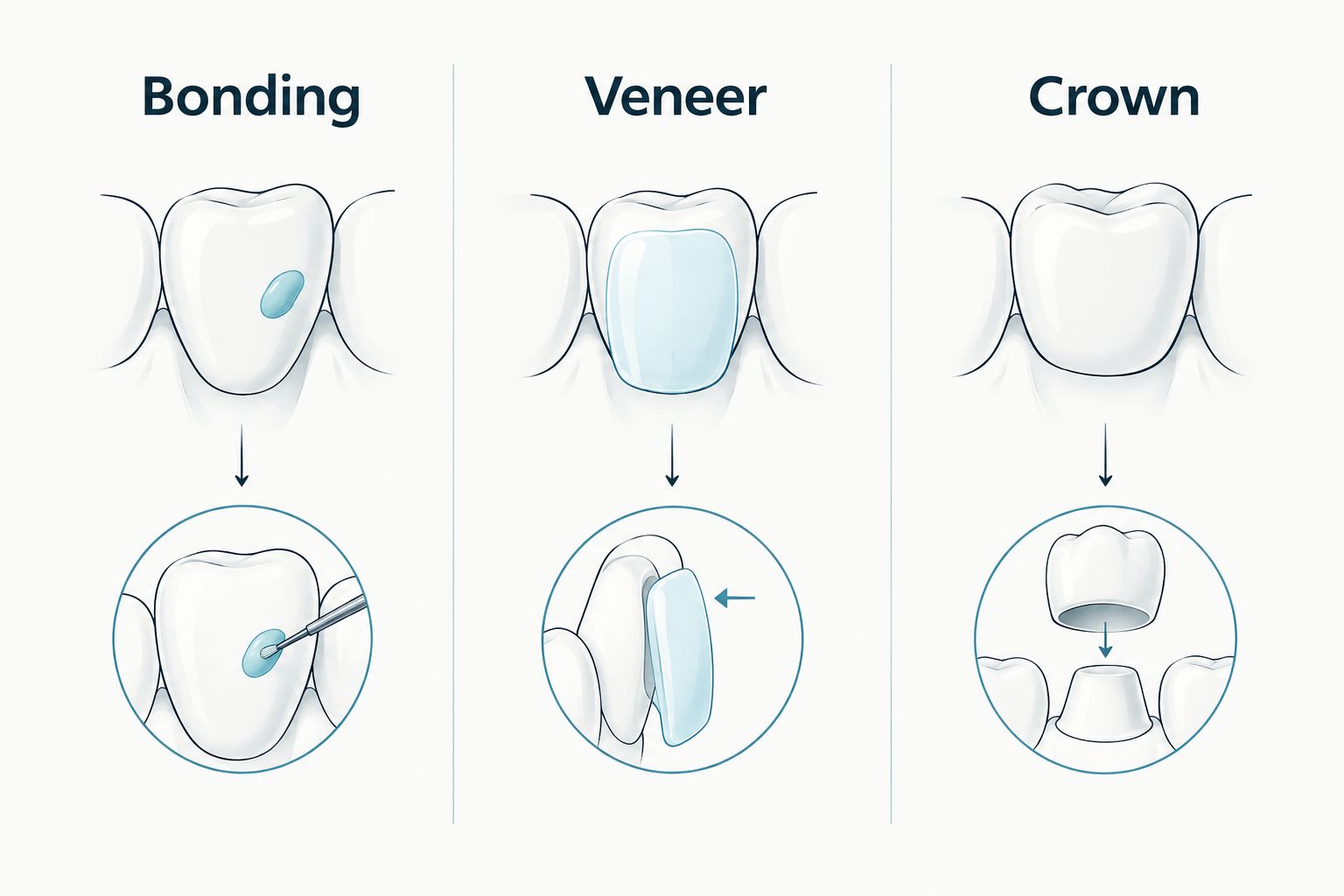
Use this comparison to understand the treatment names on an estimate. The “best for” descriptions identify situations to discuss with your dentist, not treatments you should select without an examination.
| Treatment | Best for | Main benefit | Main limitation |
|---|---|---|---|
| Smoothing | A very small, superficial enamel chip | Removes a rough edge without adding a restoration | Cannot replace missing tooth structure |
| Bonding | A small chip with enough healthy tooth remaining | Adds tooth-colored material to rebuild the missing area | The material can stain, wear, or chip |
| Veneer | Selected front teeth needing a change to the visible surface | Covers the front surface and reshapes its appearance | Does not suit every fracture and often requires enamel removal |
| Crown | A tooth needing coverage and structural protection | Covers the prepared tooth to restore its shape and function | Requires tooth preparation and future maintenance |
| Root canal treatment with restoration | A restorable tooth with damaged or infected pulp | Treats the tissue inside the tooth while retaining the tooth | Does not replace the need for a suitable final restoration |
Compare complete treatment plans, not isolated procedure names. An estimate for bonding and an estimate for a crown do not describe interchangeable repairs. Ask what finding makes each option appropriate—or rules it out.
Smoothing: for a very small enamel chip
Smoothing reshapes a minor rough edge rather than rebuilding the tooth. Your dentist must first determine that removing a small amount of enamel will not compromise the tooth’s shape, bite, or protection.
The benefit is limited treatment when the damage is truly superficial. The limitation is equally clear: smoothing cannot restore a missing corner or treat an underlying crack. Do not use a nail file or another household tool to reshape the tooth yourself.
Bonding: for selected small chips
Dental bonding uses tooth-colored resin to replace missing structure. Your dentist shapes the material and checks how the repaired tooth meets the opposing teeth, because a repair must do more than look even.
Bonding is a conservative option when the remaining tooth can support it. Its drawback is that the resin can stain or break, especially where the repair receives biting force. Ask whether the location of your chip makes bonding a suitable repair or only a temporary measure.
Bonding is not proof that a fracture is minor. The dentist still needs to evaluate the tooth, its symptoms, and the surrounding structures before deciding that a surface repair is enough.
Veneer: for selected front-tooth damage
A veneer covers the visible front surface of a tooth. It enters the discussion when the treatment goal includes the tooth’s appearance and the underlying tooth is suitable for that approach.
A veneer can change the visible shape, but it does not solve every structural problem. Many veneer preparations involve removing enamel, making the decision different from simply adding resin to a small missing edge. Ask how much preparation is necessary and whether a more conservative repair meets your goal.
Crown: for a tooth needing more protection
A crown covers a prepared tooth to restore its form and function. Your dentist evaluates the amount and location of remaining tooth structure, existing fillings, and bite forces when deciding whether coverage is appropriate.
The benefit is protection for a tooth that needs more support than a small surface repair provides. The trade-off is that preparation removes tooth structure, and the crown still needs daily cleaning and professional review. A crown does not make the tooth immune to decay or gum problems.
For a broader comparison, read about options for a chipped or cracked tooth. The relevant question is which option fits the fracture, not which treatment sounds strongest.
Root canal treatment: when the pulp needs care
A chipped tooth does not automatically need root canal treatment. That discussion becomes relevant when the pulp is irreversibly inflamed, infected, or otherwise requires treatment based on the dentist’s findings.
Root canal treatment addresses the inside of the tooth; it does not rebuild the missing outer portion by itself. Ask what final restoration is recommended and whether the written plan includes it. A tooth that cannot be predictably restored needs a separate discussion about its prognosis and alternatives.
Why the cost to fix a chipped tooth varies
The treatment plan follows the condition of the tooth, not just the size of the missing piece. These factors explain why different patients receive different recommendations:
- Fracture depth: Damage confined to enamel differs from damage extending into dentin or the pulp.
- Remaining tooth structure: A tooth with substantial healthy structure presents different repair choices from one weakened by a large filling or decay.
- Tooth location and bite: Front-tooth appearance and back-tooth chewing forces affect treatment planning.
- Pulp health: Symptoms and examination findings determine whether the inside of the tooth needs treatment.
- Restoration design and material: A localized resin repair and a laboratory-made restoration involve different clinical steps.
- Additional evaluation or care: Imaging, treatment of decay, or management of gum problems changes the scope of the plan.
Insurance affects your share of the bill rather than the tooth’s clinical needs. Keep those questions separate: first establish what care is appropriate, then confirm how your plan handles it.
What should a written estimate include?
For a 2026 treatment estimate, ask the dental office to explain the full path from diagnosis to the finished repair. You should understand whether the proposed restoration is definitive or whether another procedure follows it.
Use this sequence during the appointment:
- Confirm the diagnosis. Ask whether the damage is an enamel chip, a deeper fracture, decay around a broken area, or another problem.
- Review the treatment. Ask why the recommended option fits the remaining tooth and whether reasonable alternatives exist.
- Check the scope. Confirm whether the estimate includes examination, imaging, temporary care, and the final restoration when needed.
- Clarify insurance. Ask which benefits have been checked and what remains an estimate rather than a guarantee of payment.
- Discuss maintenance. Find out how to clean the repair, what habits to avoid, and what symptoms should prompt another call.
Bring any previous records that your dentist requests, and explain when the chip happened. Mention sensitivity, pain on biting, an earlier filling, or a history of grinding. These details help the clinician assess the tooth; they do not replace the examination.
Will dental insurance cover a chipped-tooth repair?
Dental insurance coverage depends on your plan, the procedure, and the reason for treatment. A repair needed to restore function is assessed differently from treatment performed solely to change appearance, but your policy determines the actual benefit.
For a repair planned in 2026, check the deductible, remaining annual benefit, coverage restrictions, and any waiting periods that apply. Ask whether a predetermination is appropriate, and remember that an estimate of benefits is not a guarantee of payment.
Do not assume that a covered procedure means the entire bill is covered. Ask the office and insurer to distinguish the treatment estimate, expected insurance contribution, and your estimated responsibility.
Can a chipped tooth be fixed in one appointment?
Some small chips can be smoothed or bonded during a single appointment after evaluation. Other teeth need additional treatment, laboratory work, or time to assess symptoms before the final restoration.
Ask whether the proposed appointment completes the repair or provides temporary protection. The number of visits alone does not tell you whether a treatment is appropriate or durable.
Should you wait if the chipped tooth does not hurt?
A painless chipped tooth still needs dental evaluation. Pain is not a reliable measure of fracture depth, and a rough edge can irritate your tongue or cheek even when the tooth itself feels comfortable.
Contact a dentist promptly after an injury. Seek urgent dental advice for increasing pain, swelling, fever, or a loose tooth; facial swelling with trouble breathing or swallowing requires emergency medical care.
What can you do before your appointment?
Avoid chewing hard foods on the damaged tooth, and do not test the edge repeatedly with your tongue. If you find the broken fragment, keep it moist in milk or saliva and bring it to the dentist; the clinician can assess whether it is useful for the repair.
Keep brushing gently around the area. The American Dental Association recommends brushing for 2 minutes, 2 times per day, with fluoride toothpaste and cleaning between teeth 1 time per day. These routine habits support oral health, but they cannot repair a fracture.
Do not glue the fragment back, file the tooth, or place aspirin against the gum. Tell the office about pain or swelling when you call so the team can advise you about the urgency of an examination.
Discussing care at Starboard Dental
Starboard Dental is a local option for patients seeking general, restorative, and cosmetic dental care in Kennebunk, York, and Saco. Dr. Alex Kerbaugh leads the practice, which serves patients of all ages.
For a chipped tooth, ask how the recommended repair supports your oral health goals and what its limitations are. An examination is still necessary to determine whether the tooth is suitable for bonding, coverage, or another approach; a general description of a practice cannot establish the right treatment for your tooth.
FAQ
How do I find out the cost to fix a chipped tooth in 2026?
Get a dental examination and an itemized written estimate for the recommended repair. Confirm whether the estimate includes imaging, temporary treatment, and any final restoration your tooth needs.
Is bonding always the best way to repair a chipped tooth?
Bonding is not appropriate for every chipped tooth. The fracture depth, remaining tooth structure, and bite determine whether a localized resin repair provides suitable support.
Does a chipped front tooth need a veneer?
A chipped front tooth does not automatically need a veneer. Smoothing or bonding can suit selected small chips, while a deeper fracture requires a different assessment.
Does every chipped tooth need a crown?
Not every chipped tooth needs a crown. A crown is considered when the tooth needs coverage and protection that a smaller repair cannot provide.
Will my dental insurance pay for a chipped tooth?
Your dental plan determines whether and how it covers the recommended repair. Check procedure coverage, deductibles, remaining benefits, and restrictions before relying on an estimated insurance contribution.
Can I leave a chipped tooth alone if it feels fine?
A chipped tooth should be evaluated even if it does not hurt. A dentist needs to check the damage and determine whether the tooth needs treatment or monitoring.
What symptoms make a chipped tooth urgent?
Increasing pain, swelling, fever, or a loose tooth calls for urgent dental advice. Trouble breathing or swallowing with facial swelling requires emergency medical care.
One last thing
A repair that looks small can still sit in a high-force part of your bite. Before accepting a 2026 treatment plan, ask: What will protect this repair when I chew? That question connects the appearance of the finished tooth with the reason for the treatment recommendation.