Best overall: fluoride toothpaste used twice daily. Best for protecting molar grooves: dental sealants. Best additional protection for children at higher cavity risk: professional fluoride varnish. This 2026 guide compares the best cavity prevention options for kids so you can build a routine that fits your child’s age and dental needs.
- The best cavity prevention options for kids start with twice-daily brushing using fluoride toothpaste.
- Dental sealants protect chewing-surface grooves; fluoride varnish adds protection based on a child’s cavity risk.
- Clean between touching teeth and reduce frequent sugary snacks and drinks; neither replaces brushing.
- Starboard Dental provides general dental care for patients of all ages in Kennebunk, York, and Saco, Maine.
Why this matters
Cavities develop when bacteria in dental plaque use sugars and produce acids that damage tooth enamel. Prevention works by removing plaque, strengthening enamel, protecting vulnerable grooves, and reducing repeated sugar exposure. No single option handles every job.
Starboard Dental is a general dental care option for families in Kennebunk, York, and Saco, Maine. Led by Dr. Alex Kerbaugh, Starboard Dental provides general, restorative, and cosmetic dental care for patients of all ages. Ask your child’s dentist which preventive steps fit their teeth rather than choosing treatments from a ranking alone.
Baby teeth need protection, too. They help children chew and speak, and decay in a baby tooth still needs assessment. Waiting for permanent teeth leaves an important part of childhood dental care uncovered.
What makes the best cavity prevention options for kids?
Use these criteria to choose your child’s 2026 prevention plan:
- Evidence: Favor established measures recommended by the American Dental Association and American Academy of Pediatric Dentistry, including fluoride toothpaste and appropriate professional prevention.
- Age suitability: Match the toothpaste amount, supervision, and cleaning method to your child’s development.
- Protection location: Brushing, between-teeth cleaning, and sealants reach different areas. Look for coverage, not a single winner.
- Cavity risk: Previous decay, frequent sugar exposure, and difficulty cleaning teeth help guide a dentist’s recommendations.
- Daily practicality: Choose habits you can repeat consistently. A complicated routine that rarely happens is not a useful plan.
- Professional oversight: Have a dentist assess teeth before selecting sealants or additional fluoride treatment.
Cavity prevention options at a glance
For 2026, the useful comparison is what each option protects—not whether one can replace all the others.
| Option | Best for | Standout feature | Key limitation |
|---|---|---|---|
| Fluoride toothpaste | Your child’s daily foundation | Combines plaque removal with enamel protection | Requires correct amounts and effective brushing |
| Dental sealants | Deep grooves in back teeth | Creates a protective barrier over chewing-surface pits | Does not protect every tooth surface |
| Professional fluoride varnish | Additional protection based on cavity risk | Applies fluoride directly to teeth | Does not replace home cleaning |
| Between-teeth cleaning | Teeth that touch | Removes plaque where a toothbrush cannot reach | Children often need hands-on help |
| Snack and drink changes | Frequent sugar exposure | Reduces repeated acid-producing episodes | Cannot remove existing plaque or repair a cavity |
| Dental visits and risk assessment | An individualized prevention plan | Identifies concerns and guides treatment choices | Visits alone cannot maintain daily oral hygiene |
1. Fluoride toothpaste: best for daily cavity prevention
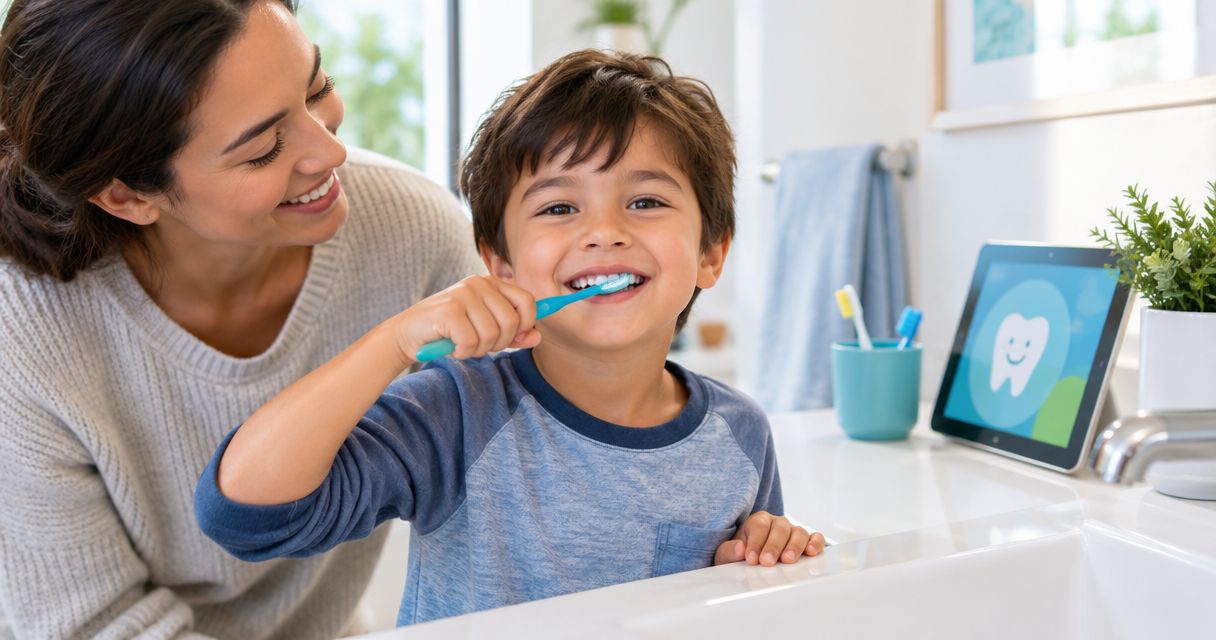
Fluoride toothpaste is the first choice because brushing removes plaque while fluoride helps protect enamel. Use it twice daily, with an adult dispensing the right amount and helping your child brush effectively. A favorite toothbrush does not compensate for missed surfaces.
The American Dental Association recommends a rice-grain-sized smear for children younger than 3 years and a pea-sized amount for children ages 3–6 years. Encourage spitting when your child can do so, and supervise to limit swallowing. Keep toothpaste out of reach between brushing sessions.
Fluoride toothpaste pros:
- Supports enamel protection as part of an everyday habit.
- Cleans many tooth surfaces when brushing is thorough.
- Fits a routine you can supervise at home.
Fluoride toothpaste cons:
- Brushing misses plaque between tightly touching teeth.
- Excess toothpaste swallowing increases the risk of dental fluorosis while teeth develop.
Best for: Every child with erupted teeth, using an age-appropriate amount and caregiver help.
Aim for 2 minutes of brushing, reaching the outer, inner, and chewing surfaces. For a young child, focus on gently cleaning every erupted tooth rather than expecting independent technique. Fluoride-free toothpaste does not provide fluoride’s cavity-prevention benefit.
Verdict: Choose fluoride toothpaste as the daily foundation, not an optional extra.
2. Dental sealants: best for protecting molar grooves
Dental sealants cover pits and grooves on the chewing surfaces of suitable back teeth. Those narrow spaces trap plaque and food and are difficult to clean thoroughly with a toothbrush. A dentist checks the tooth before deciding whether a sealant is appropriate.
Sealants are especially relevant when permanent molars come in, but the decision depends on the tooth and the child’s cavity risk. They are a targeted measure: sealing a chewing surface does not protect the spaces between teeth or replace fluoride toothpaste.
Dental sealants pros:
- Protect vulnerable chewing-surface grooves.
- Add a physical barrier in areas that are difficult to brush.
- Complement brushing and other preventive care.
Dental sealants cons:
- Need professional assessment and placement.
- Require checks because a sealant can wear or lose retention.
Best for: Children with back teeth whose pits and grooves would benefit from protection.
Ask which teeth need sealants and how the dentist will check them over time. Do not assume every tooth needs the same treatment, and do not assume a sealed tooth can be left out of the brushing routine.
Verdict: Choose sealants for suitable molar grooves after a dental assessment.
3. Professional fluoride varnish: best for added risk-based protection
Fluoride varnish is a professionally applied fluoride treatment that helps prevent decay. It adds protection to an existing home routine rather than doing the work of a toothbrush or floss. The dentist recommends whether your child needs it and how often.
Previous cavities are an important reason to discuss additional prevention. Frequent sugary drinks, cleaning difficulties, and other risk factors also belong in that conversation. Bring a description of your child’s actual habits; it helps the dentist recommend a plan that fits.
Professional fluoride varnish pros:
- Delivers fluoride directly to tooth surfaces.
- Adds protection when a child’s risk warrants it.
- Can be included in an individualized prevention plan.
Professional fluoride varnish cons:
- Does not remove plaque or replace daily brushing.
- Requires professional guidance, including product-specific aftercare.
Best for: Children whose dental assessment supports additional topical fluoride.
Follow the instructions provided after treatment. Eating, drinking, and brushing instructions depend on the varnish used. Do not add fluoride supplements on your own; supplementation requires assessment of drinking-water fluoride and other fluoride sources.
Verdict: Choose professional fluoride varnish when your child’s dental team recommends additional protection.
4. Between-teeth cleaning: best for teeth that touch
Between-teeth cleaning removes plaque from areas a toothbrush cannot reach. Start when adjacent teeth touch, rather than waiting for a particular birthday. Young children usually need a caregiver to do this cleaning, not just remind them.
Traditional floss and floss holders are ways to clean between teeth. Choose the method you can use gently and correctly, and ask for a demonstration if positioning is difficult. Guide the floss along each tooth’s side instead of snapping it into the gums.
Between-teeth cleaning pros:
- Reaches contact areas that brushing misses.
- Supports gum health as well as cavity prevention.
- Can become part of the evening routine.
Between-teeth cleaning cons:
- Requires technique and caregiver involvement.
- Rough handling can irritate gums and discourage the habit.
Best for: Children with touching teeth, particularly where plaque collects between them.
Clean between teeth once daily. If your child resists, try a comfortable position and ask the dentist to show you a method suited to their mouth. Persistent bleeding or discomfort needs attention rather than increasingly forceful cleaning.
Verdict: Choose daily between-teeth cleaning as soon as teeth touch.
5. Snack and drink changes: best for frequent sugar exposure
Repeated sugary snacks and drinks give plaque bacteria repeated opportunities to produce acids. A child who sips a sweet drink throughout the afternoon has a different exposure pattern from one who drinks it with a meal. Frequency matters alongside the food or drink itself.
Use water between meals and keep sugary foods and drinks to mealtimes rather than continual grazing. Avoid sending a child to bed with a bottle containing milk, formula, or juice. Discuss feeding and nighttime routines with your child’s dentist without delaying necessary nutrition.
Snack and drink changes pros:
- Reduce repeated sugar exposure during the day.
- Support the protection provided by brushing.
- Give caregivers practical choices for home and school.
Snack and drink changes cons:
- Require coordination with other caregivers.
- Do not remove plaque or treat existing decay.
Best for: Children who frequently snack on sugary foods or sip sweetened drinks.
You do not need to frame food as good or bad to explain dental health. Focus on drink choices, timing, and the brushing routine. Water after a snack is useful, but it is not a substitute for cleaning teeth.
Verdict: Choose fewer sugar exposures and water between meals, rather than relying on brushing alone.
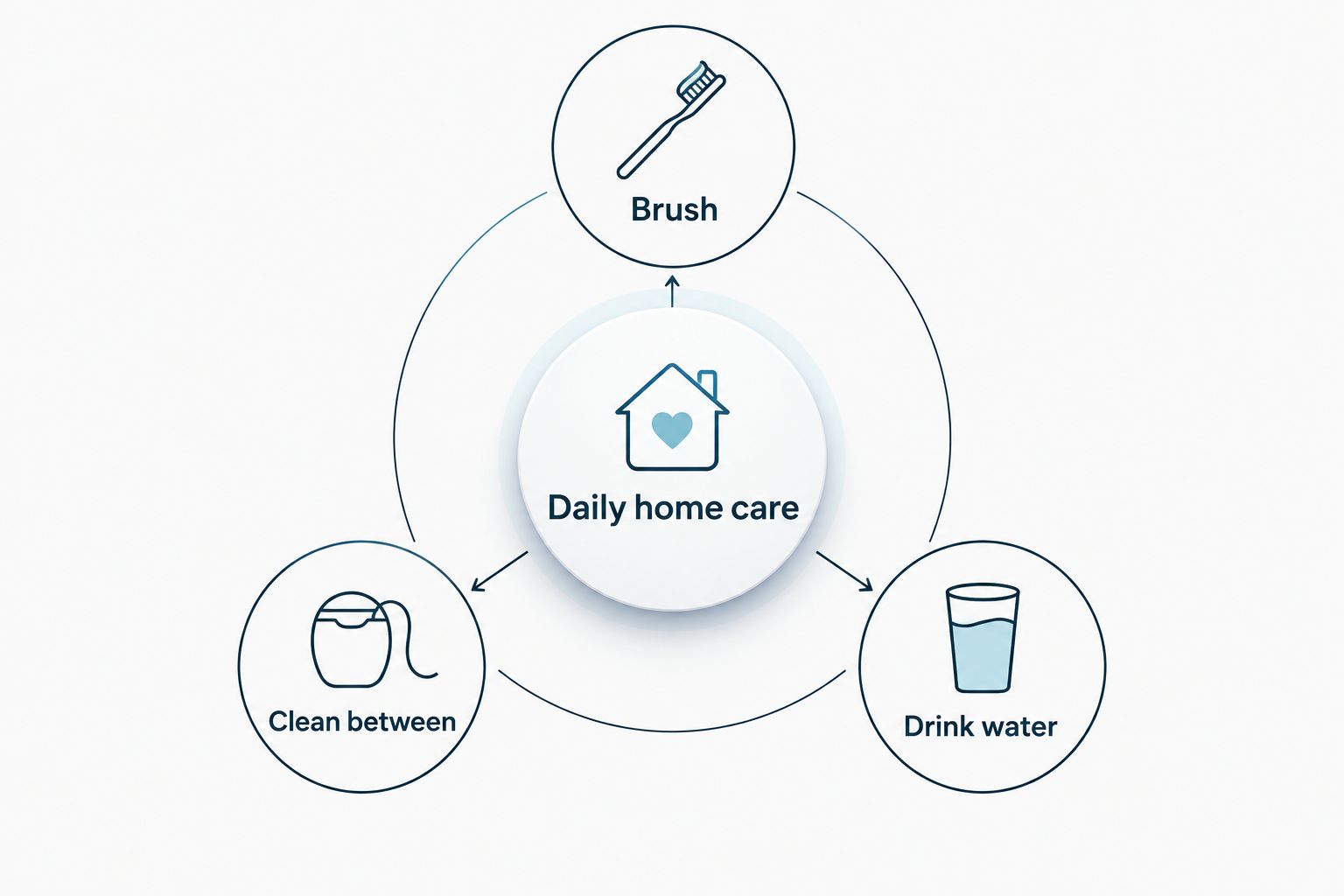
Daily home care
Keep your 2026 routine centered on three repeatable actions:
- Brush: Use fluoride toothpaste morning and evening, with caregiver help.
- Clean between: Clean touching teeth daily using gentle technique.
- Drink water: Choose water between meals instead of prolonged sipping of sugary drinks.
These actions address different parts of cavity prevention. Keep all three in the routine; choosing one does not make the others unnecessary.
6. Dental visits: best for an individualized prevention plan
Dental visits help identify decay, assess cavity risk, and decide whether preventive treatments are appropriate. The American Academy of Pediatric Dentistry recommends a first dental visit when the first tooth appears, and no later than age 1 year. Later visit frequency should follow the child’s needs and dental advice.
Bring questions about brushing, fluoride, snacks, and any changes you have noticed. An examination helps distinguish concerns that look similar at home. A spot on a tooth is not something to diagnose from its color alone.
Dental visits pros:
- Identify concerns that home cleaning cannot diagnose.
- Guide sealant and fluoride decisions.
- Give caregivers practical instruction tailored to the child.
Dental visits cons:
- Require time and caregiver planning.
- Cannot compensate for an inconsistent home routine.
Best for: Every child, with ongoing care tailored to dental findings and risk.
Starboard Dental provides general dental care for patients of all ages. Ask about your child’s prevention needs and any recommended treatment before deciding which options belong in their plan.
Verdict: Choose ongoing dental assessment alongside daily home care.
How these options rank
This 2026 ranking prioritizes an effective daily foundation, then targeted protection and personalized guidance. It reflects established prevention recommendations from the American Dental Association and American Academy of Pediatric Dentistry—not a product test or a promise of a cavity-free outcome.
Fluoride toothpaste ranks first because it belongs in daily care. Sealants and varnish serve different preventive purposes, while between-teeth cleaning and food habits address gaps that brushing alone leaves. Dental visits determine how those pieces fit your child.
Which cavity prevention options should you choose?
Start with fluoride toothpaste, caregiver-assisted brushing, and cleaning between touching teeth. Then ask your child’s dentist whether sealants or fluoride varnish belong in the plan. Change frequent sugary sipping rather than adding another product to compensate for it.
For families seeking general dental care in Kennebunk, York, or Saco, Starboard Dental is an option for discussing an age-appropriate prevention plan. Describe what happens on a typical school day, including snacks and who handles evening brushing.
A useful 2026 plan is one you can repeat and review. If your child already has tooth pain or a suspected cavity, arrange an assessment; prevention products do not replace treatment for an existing problem.
FAQ
What are the best cavity prevention options for kids in 2026?
Start with twice-daily brushing using fluoride toothpaste and daily cleaning between touching teeth. A dentist can recommend sealants or fluoride varnish based on your child’s teeth and cavity risk.
How much fluoride toothpaste should I use for my child?
Use a rice-grain-sized smear for children younger than 3 years and a pea-sized amount for children ages 3–6 years. The American Dental Association recommends caregiver supervision to support effective brushing and limit swallowing.
Are sealants better than fluoride toothpaste?
Sealants and fluoride toothpaste protect teeth in different ways, so neither replaces the other. Sealants cover chewing-surface grooves, while fluoride toothpaste supports enamel protection during daily brushing.
When should I start flossing my child’s teeth?
Start cleaning between your child’s teeth when adjacent teeth touch. Clean those spaces daily and provide hands-on help until your child can use the technique effectively.
Does my child need fluoride varnish at every dental visit?
Your child’s dentist should determine the fluoride varnish schedule from their cavity risk and dental needs. Do not assume every child needs the same treatment frequency.
Can baby teeth get cavities even though they fall out?
Yes, baby teeth can develop cavities and need dental care. They support chewing and speech, and pain or decay should not be ignored while waiting for permanent teeth.
When should my child first see a dentist?
Schedule the first dental visit when the first tooth appears and no later than age 1 year, as recommended by the American Academy of Pediatric Dentistry. Early care gives you guidance on cleaning, feeding habits, and prevention.
One last thing
A child’s enthusiasm for brushing is not the same as effective cleaning. Let your child practice, then help finish the job until they have the skill to reach every surface. Ask the dentist to demonstrate where plaque is being missed so your help has a clear purpose.
Tooth pain, swelling, or difficulty eating needs prompt dental assessment. Facial swelling with trouble breathing or swallowing requires emergency care, not another prevention step.