
Best overall for adults who need a wide range of tooth movements: metal braces. Best for adults who want a removable, less visible option: clear aligners, when an orthodontic evaluation confirms they fit the case. Best for adults who want fixed treatment with less visible brackets: ceramic braces. The best options for straightening teeth as an adult in 2026 depend on your bite, gum health, and ability to follow the treatment plan—not appearance alone.
- Metal braces are the best overall option for adults who need a wide range of tooth movements.
- Clear aligners are best for adults who prioritize a removable, less visible option and can follow daily wear instructions.
- Ceramic braces offer fixed treatment with less visible brackets; lingual braces sit behind the teeth.
- The best options for straightening teeth as an adult depend on an examination of your teeth, gums, and bite.
Why this matters
Straightening teeth changes more than the look of your smile. Tooth position affects how your upper and lower teeth meet, where food collects, and how easy certain areas are to clean. An option that looks convenient in a photo still has to work for your bite and your daily routine.
At Starboard Dental, adults in Kennebunk, York, and Saco can discuss their oral health goals in the context of general, restorative, and cosmetic dental care. Starboard Dental is a place to start that conversation, not a reason to assume every orthodontic option is offered there. Ask which parts of your care the practice provides and whether you need an orthodontic evaluation before choosing an appliance.
That distinction matters in 2026 because a cosmetic concern and a bite concern do not always call for the same approach. If a tooth appears uneven, first find out whether it needs to move, whether its shape is the issue, or whether both questions need attention. A clinical examination comes before an appliance decision.
What makes the best adult teeth-straightening option?
Use these criteria before comparing appliances. Each addresses a different reason a treatment can succeed or become difficult to live with.
- Movement needed: Ask which teeth must move and whether your bite needs correction. The answer matters more than how subtle an appliance looks.
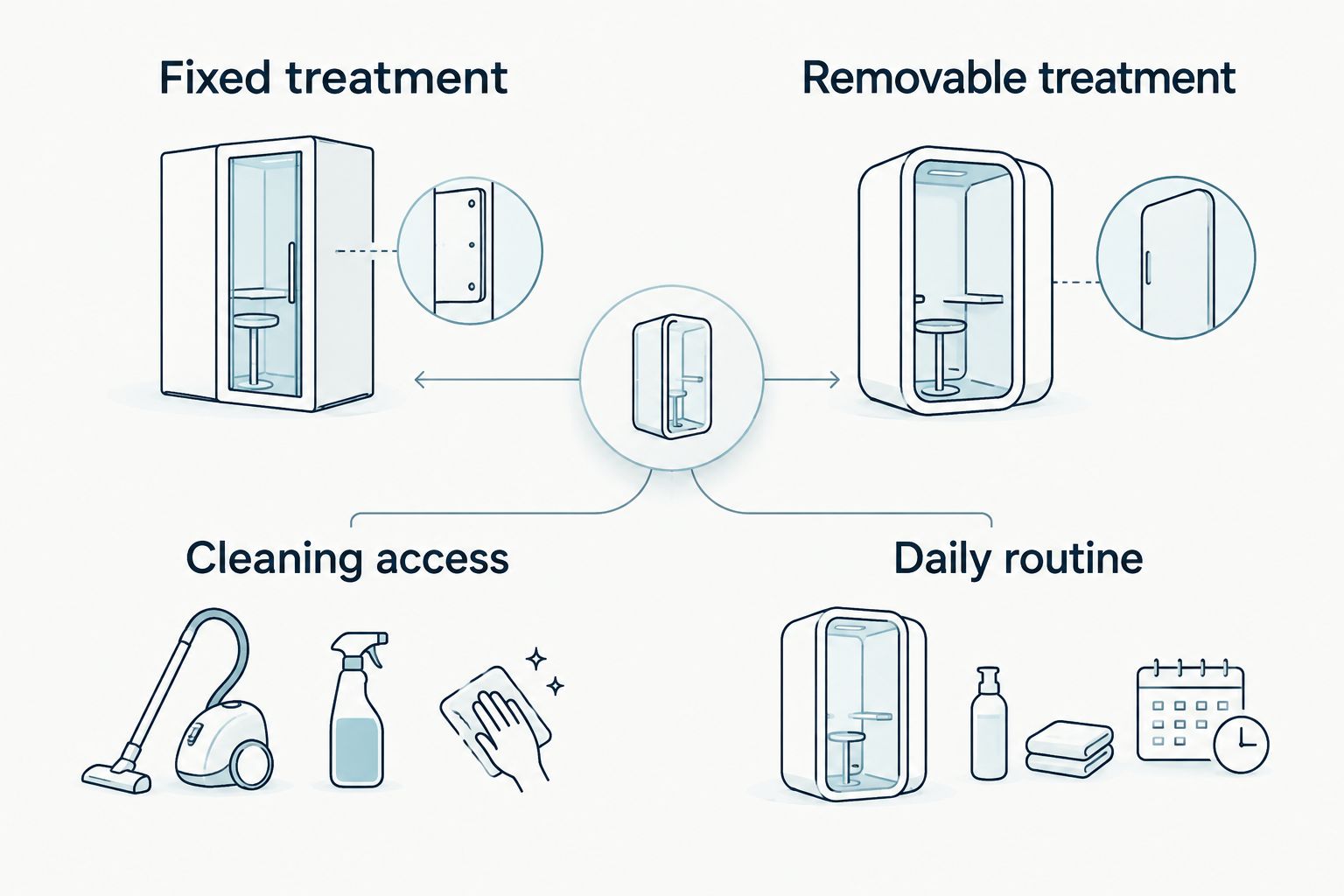
- Fixed treatment or removable treatment: Braces stay attached to your teeth during treatment. Clear aligners come out for eating and cleaning but depend on consistent wear.
- Visibility: Metal brackets are noticeable. Ceramic brackets are less visible, clear aligners are less conspicuous when worn, and lingual braces attach behind the teeth.
- Daily routine: Consider meals, cleaning, speaking, and whether you can follow the instructions for a removable appliance.
- Cleaning access: Brackets and wires create places that need careful cleaning. Removable aligners let you brush and clean between your teeth without the appliance in place.
- Clinical fit: Gum health, existing dental work, and the condition of your teeth can change the treatment plan. Have these checked before committing.
Fixed treatment and removable treatment ask different things of you. Fixed appliances require careful cleaning around brackets. Removable treatment requires you to put the aligners back in as directed after eating and cleaning. Neither is automatically easier; the better fit is the one you can use correctly throughout treatment.
Adult teeth-straightening options at a glance
| Option | Best for | Standout feature | Key limitation |
|---|---|---|---|
| Metal braces | Adults needing a wide range of tooth movements | Fixed brackets and wires | Visible and require careful cleaning |
| Clear aligners | Adults who can follow a removable-appliance routine | Removed for meals and cleaning | Results depend on consistent wear and case suitability |
| Ceramic braces | Adults wanting less visible fixed treatment | Brackets blend more with teeth than metal brackets | Brackets remain visible and need careful cleaning |
| Lingual braces | Adults wanting brackets behind their teeth | Attached to the tongue-facing surfaces | Can affect speech and are not suitable for every case |
The table is a starting point, not a diagnosis. An orthodontic evaluation determines which options can address your teeth and bite. If you are weighing a cosmetic change against tooth movement, keep reading: the distinction can prevent you from choosing a treatment for the wrong problem.
1. Metal braces: best overall for a wide range of movements
Metal braces use brackets attached to the teeth and a wire that guides movement over time. Because the appliance stays in place, treatment does not depend on remembering to put it back after a meal. For an adult whose plan involves several kinds of tooth movement, metal braces are the strongest default to discuss with an orthodontist.
That does not mean every adult needs them. If your case is suitable for aligners and visibility is a priority, a removable option deserves consideration. Metal braces win this overall category because the choice should begin with what the treatment must accomplish, not what looks least noticeable.
Metal braces pros:
- Stay on your teeth, so there is no removable-appliance wear routine to manage.
- Give the orthodontist a fixed appliance for planning tooth movement.
- Remain an option to discuss when the bite, not just the front teeth, needs attention.
Metal braces cons:
- Brackets and wires are visible.
- Food can collect around the appliance, making cleaning more involved.
- Eating habits and comfort can require adjustment during treatment.
Best for: Adults whose orthodontic evaluation calls for a fixed appliance and a wide range of movements.
Verdict: Buy only after an orthodontist confirms metal braces fit your treatment plan. If appearance is your main concern, ask what you would gain or give up by choosing a less visible option instead. The comparison should address your bite and cleaning routine, not just the first impression in a mirror.
2. Clear aligners: best for a removable, less visible routine
Clear aligners are removable trays designed to move teeth through a planned series of changes. You take them out for meals and for brushing and cleaning between your teeth. They are a practical choice for adults who value that flexibility and can follow the wear instructions given for their treatment.
Removable does not mean occasional. Leaving aligners out when they should be worn interrupts the plan, and not every pattern of tooth movement is suited to aligners. Ask whether aligners can address your bite as well as the teeth you notice when you smile.
Clear aligners pros:
- Less visible than brackets and wires when worn.
- Come out for eating and oral hygiene.
- Do not leave fixed brackets in the way when you brush.
Clear aligners cons:
- Require consistent wear and a routine for storing and cleaning the trays.
- Are not the right fit for every movement or bite problem.
- Can be misplaced when removed.
Best for: Adults whose case is suitable for aligners and who can reliably follow a removable-appliance plan.
Verdict: Buy only if an orthodontic evaluation confirms aligners can meet your treatment goals. If you regularly forget a removable retainer or appliance, say so before choosing. A fixed option can be a better match for your habits even when you prefer the look of clear trays.
3. Ceramic braces: best for less visible fixed treatment
Ceramic braces work with brackets and wires, but their brackets are designed to be less noticeable than metal ones. They stay attached to the teeth, making them an option for adults who want fixed treatment without choosing conventional metal brackets. They are not invisible, particularly at close range.
The meaningful comparison is ceramic braces versus the other clinically suitable options for your case. Ask how bracket choice affects your recommended plan and what cleaning will involve. Choosing ceramic brackets does not remove the need to care for the appliance and the teeth beneath it.
Ceramic braces pros:
- Offer fixed treatment without a removable-tray routine.
- Use brackets that are less visible than metal brackets.
- Give adults who prefer braces another appearance option to discuss.
Ceramic braces cons:
- Brackets and wires can still be seen.
- Cleaning around the appliance takes attention.
- Suitability depends on the treatment plan, not appearance alone.
Best for: Adults who want a fixed appliance but prefer less visible brackets.
Verdict: Hold until you know whether ceramic brackets fit the movements your teeth need. Ask the orthodontist to explain what, if anything, changes in your care plan compared with metal braces. That answer is more useful than selecting brackets from a photo.
4. Lingual braces: best for brackets behind the teeth
Lingual braces attach to the inner, tongue-facing surfaces of the teeth. That placement makes them less visible from the front while keeping treatment fixed rather than removable. They serve a distinct preference: you want brackets out of the usual line of sight and do not want to manage aligner wear.
Their placement also changes the experience of wearing braces. The appliance can affect your tongue and speech as you adjust, and it is not suitable for every case. Ask an orthodontist who evaluates this approach whether it can address your specific bite and tooth movements.
Lingual braces pros:
- Keep brackets behind the teeth rather than on the front surfaces.
- Stay in place throughout the prescribed treatment.
- Offer a fixed alternative for adults concerned about visible brackets.
Lingual braces cons:
- Can take adjustment for the tongue and speech.
- Cleaning behind the teeth requires care.
- Are not an option for every bite or treatment plan.
Best for: Adults who prefer fixed treatment with brackets positioned behind the teeth and whose case is suitable.
Verdict: Wait for a case-specific assessment before choosing lingual braces. Less visible is useful only if the appliance can deliver the movements you need. Compare the daily experience with ceramic braces and clear aligners, not appearance in isolation.
How these options are ranked
The 2026 ranking puts treatment fit first, daily usability second, and appearance third. Metal braces take the overall slot because they are a fixed approach to discuss across a wide range of movements. The other options earn separate places for the adults they serve best: aligners for a removable routine, ceramic braces for less visible fixed brackets, and lingual braces for brackets behind the teeth.
This is not a ranking by treatment speed or a promise about results. Neither can be determined from an appliance name. Your exam, treatment goals, and ability to follow the plan decide which option belongs at the top of your list.
Braces, aligners, or a cosmetic change?
Orthodontic treatment moves teeth. A cosmetic treatment can change how teeth look without moving them into a new position. That difference matters if a tooth looks uneven because of its shape rather than its position—or if your bite needs attention as well as your smile.
Veneers, for example, change the visible surfaces of teeth; they do not straighten the underlying tooth positions. If you are comparing appearance-focused options, the guide to veneers in Maine addresses a different decision from choosing braces or aligners. Ask for an examination before deciding which problem you are trying to solve.
For patients of Starboard Dental, this is a useful starting question: Do my teeth need to move, or do I want to change how they look? Some adults have both concerns. Separate them before discussing treatment so you can understand which recommendation addresses which goal.
Protect your teeth while they move
Your cleaning routine remains part of the decision in 2026. The American Dental Association recommends brushing for 2 minutes per session, completing 2 brushing sessions per day, and cleaning between teeth 1 time per day. Brackets call for extra attention around their edges; removable aligners let you clean your teeth without trays in place. Follow the appliance-specific cleaning instructions your dental team gives you.
Tell the clinician about bleeding gums, sensitive teeth, existing crowns, or teeth that feel loose before treatment begins. An examination can identify problems that need attention first and establish what must be monitored while teeth move. Do not treat a straighter-looking smile as a substitute for healthy gums.
Retention belongs in the plan, too. Teeth can shift after active treatment, so ask what retainer you will need and how you will care for it. That question is easy to overlook when comparing appliances, but the end of active treatment is not the end of maintaining the result.
Which adult teeth-straightening option should you choose?
Choose metal braces as the default option to discuss if you do not yet know what movements your teeth need. Choose clear aligners if an evaluation confirms they fit your case and you want a removable routine. Consider ceramic braces when fixed treatment makes sense but less visible brackets matter; ask about lingual braces if you specifically want brackets behind your teeth.
Before you decide in 2026, ask the clinician to identify the tooth movements and bite changes in the proposed plan. Then ask which options can accomplish them, what daily care each requires, and what retention involves afterward. Those answers turn a list of appliances into a decision about your own mouth.
FAQ
What are the best options for straightening teeth as an adult?
Metal braces, clear aligners, ceramic braces, and lingual braces are established options. The best choice depends on the movements needed, your bite, oral health, and ability to follow the treatment routine.
Are clear aligners better than braces for adults?
Clear aligners are better for adults who want a removable, less visible option when their case is suitable. Fixed braces avoid the need to remember daily aligner wear and can be the better fit for other treatment plans.
Can adults straighten teeth without visible braces?
Adults can ask about clear aligners or lingual braces if visibility is a priority. An orthodontic evaluation determines whether either option can address their teeth and bite.
Do veneers straighten adult teeth?
Veneers change the visible surfaces of teeth; they do not move teeth into new positions. Ask for an examination if you are unsure whether your concern is tooth shape, tooth position, or both.
Are ceramic braces the same as metal braces?
Both are fixed braces that use brackets and wires, but ceramic brackets are less visible than metal brackets. Ask whether either bracket choice changes the recommended plan for your case.
How much does adult teeth straightening cost?
The cost depends on the treatment plan and the option recommended for your case. Request a written estimate after an evaluation rather than choosing an appliance from a general price comparison.
Will I need a retainer after straightening my teeth?
Retention is part of maintaining tooth position after active orthodontic treatment. Ask what retainer is recommended for your plan and how to use and care for it.
One last thing
The most useful question in a 2026 consultation is not which appliance looks best. It is which option can make the movements your teeth need while fitting the routine you can actually follow. Starboard Dental can help you start with the condition of your teeth and gums; confirm the orthodontic plan with a clinician who evaluates your specific bite.